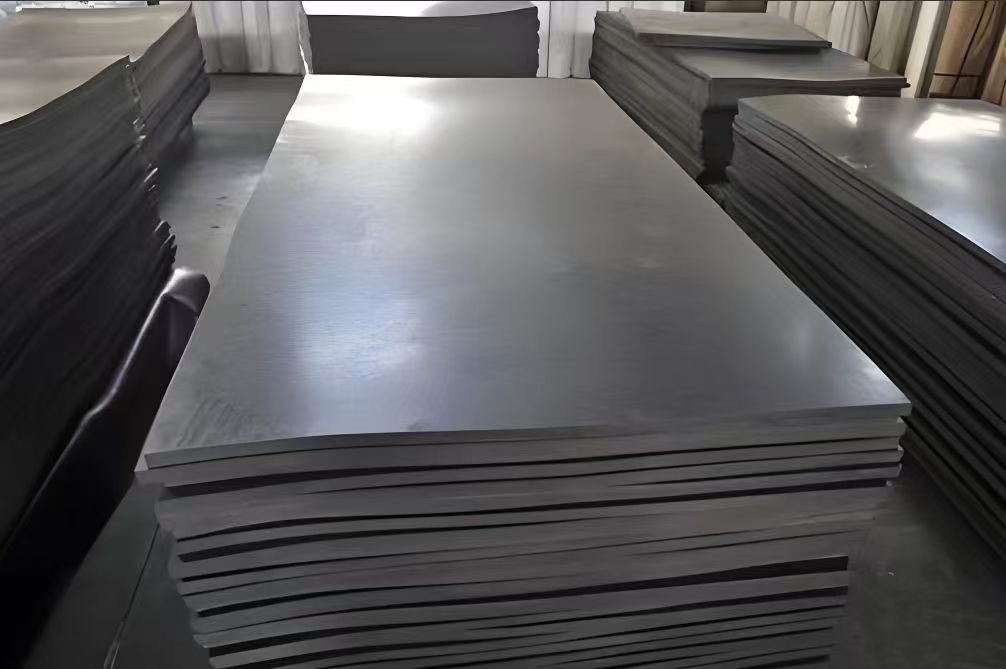
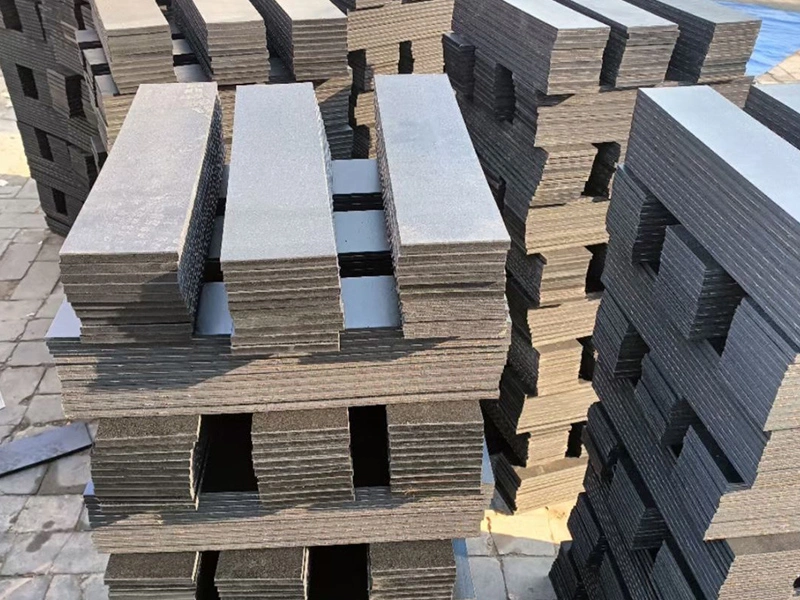
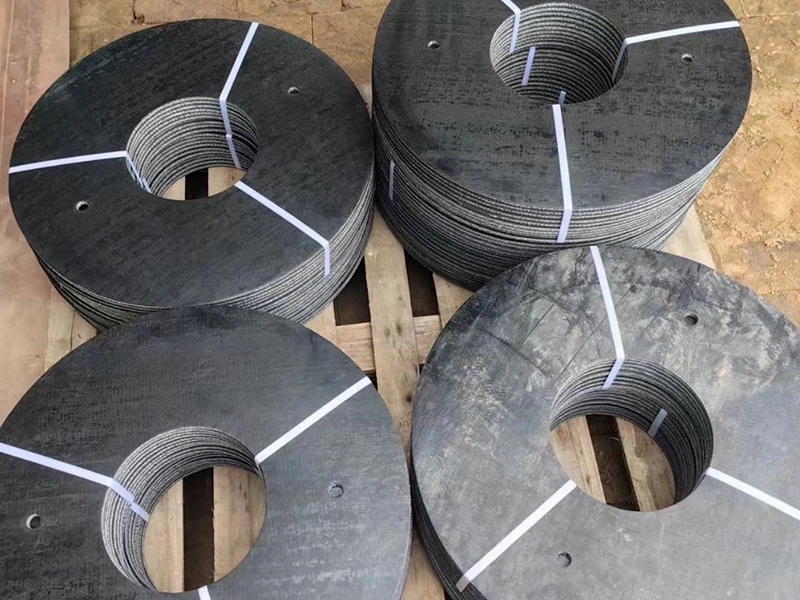
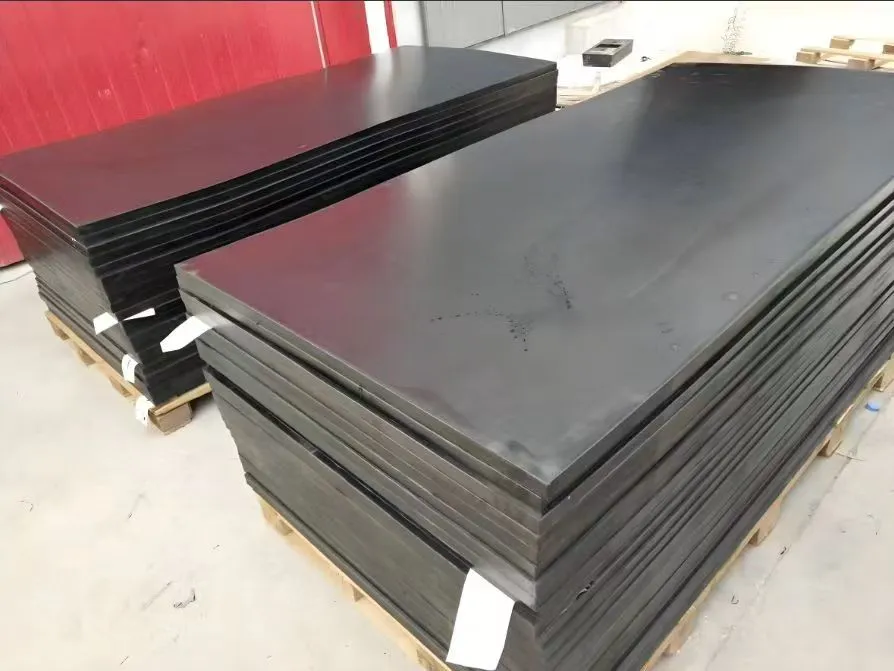
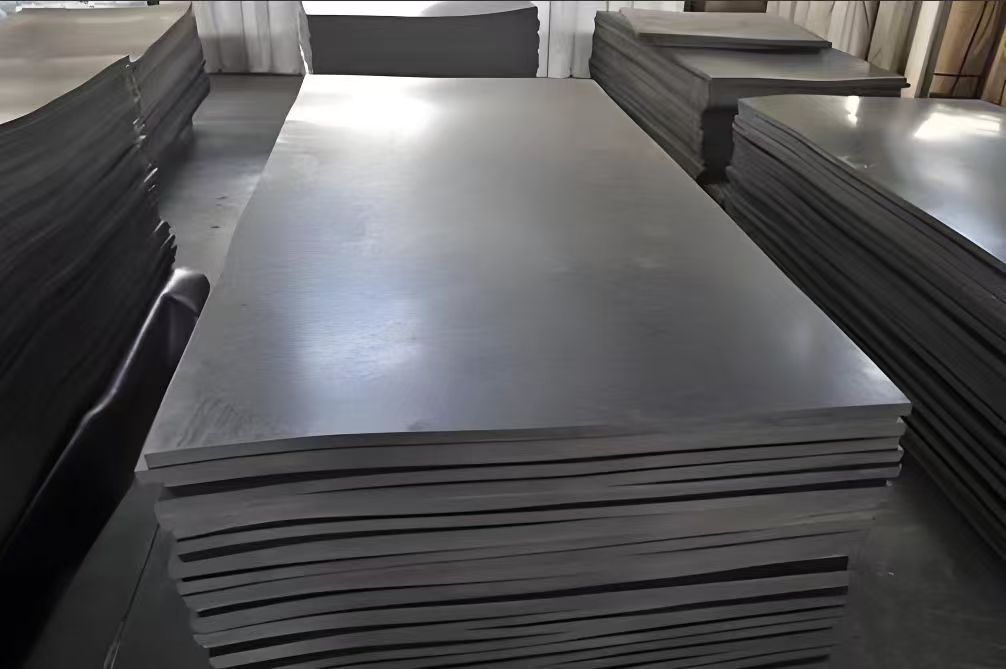
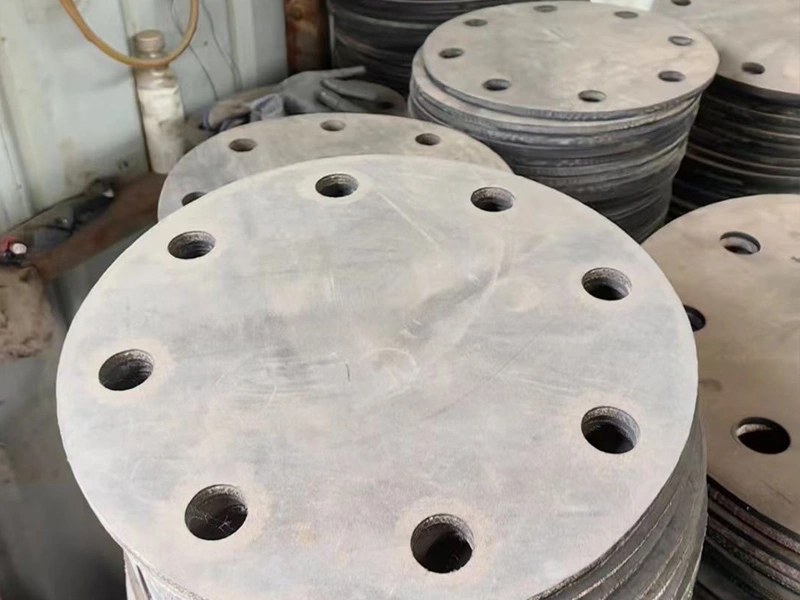
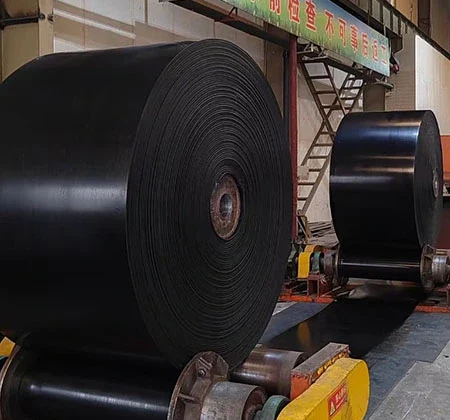
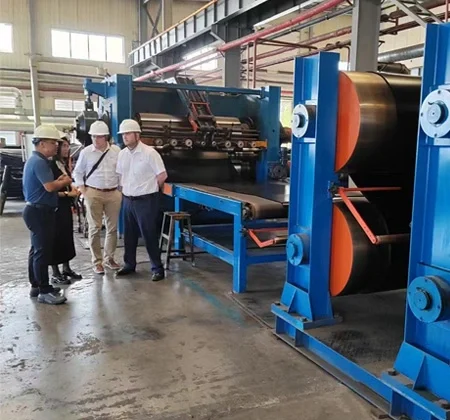
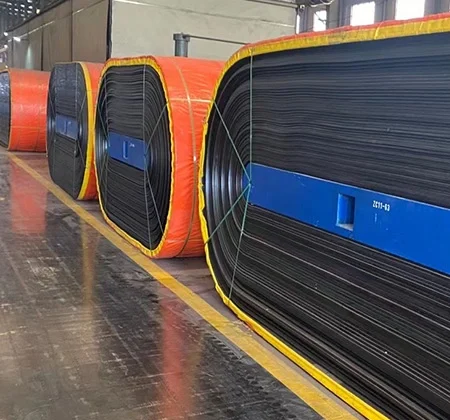
Rubber sheets, blocks, and pads are all made of rubber. Due to their good elasticity, wear resistance, corrosion resistance, insulation, and other characteristics, they are widely used in: 【Industrial field: Installing rubber pads or blocks at the bottom of large machinery can effectively reduce vibration and noise during operation, protecting the equipment and avoiding impact on the surrounding environment.】【Construction field: Waterproofing: Rubber sheets can be used as waterproof materials for roofs, basements, etc., effectively preventing the penetration of rainwater and groundwater, and extending the service life of buildings】
Rubber sheets can be categorized according to different standards, such as application, composition, hardness, surface treatment, etc.
Rubber sheets, rubber blocks, and rubber pads are all made of rubber. Due to their excellent elasticity, wear resistance, corrosion resistance, insulation, and other characteristics, they are widely used in various fields and play multiple roles, as detailed below:
Industrial Field
Construction Field
Daily Life Field
Other Fields
Categorized by Application
Insulating rubber sheet: Mainly used for electronic and electrical insulation, it has high insulation performance and good electrical properties, effectively preventing leakage and short circuits. In addition, insulating rubber sheets are also characterized by high temperature resistance, aging resistance, and oil resistance.
Sealing rubber sheet: Mainly used for various sealing applications, such as warehouses and ship holds. It has good resilience, insulation, water resistance, and plasticity, effectively preventing leakage and dust entry.
Buffering rubber sheet: Mainly used to reduce impact and vibration, such as in vehicles, trains, and aircraft as shock-absorbing materials. Buffering rubber sheets are usually made of high-elasticity materials and can effectively absorb impact energy.
Anti-slip rubber sheet: Mainly used for ground anti-slip, it has a high friction coefficient and good wear resistance, effectively preventing slips and falls.
Categorized by Composition
Natural rubber sheet: Made primarily from natural rubber, it has good elasticity and insulation properties, suitable for various sealing and buffering applications.
Synthetic rubber sheet: Made from synthetic rubber materials, it has better high-temperature resistance, oil resistance, and aging resistance, suitable for more demanding working environments.
Categorized by Hardness
Hard rubber sheet: Higher hardness, good insulation and sealing properties, suitable for various sealing and insulation applications.
Soft rubber sheet: Lower hardness, better cushioning and anti-slip properties, suitable for various shock absorption and anti-slip applications.
Categorized by Surface Treatment
Ordinary rubber sheet: Rubber sheet with untreated surface, suitable for general applications.
Anti-slip rubber sheet: Rubber sheet with anti-slip surface treatment, increasing the friction coefficient, suitable for applications requiring anti-slip properties.
Oil-resistant rubber sheet: Rubber sheet with oil-resistant surface treatment, increasing resistance to oily substances, suitable for applications with oil stains.
Acid and alkali-resistant rubber sheet: Rubber sheet with acid and alkali-resistant surface treatment, increasing resistance to acids and alkalis, suitable for applications with acids and alkalis.
Categorized by Thickness
Thin rubber sheet: Relatively thin, usually less than 1mm, suitable for applications requiring lightweight materials.
Medium-thickness rubber sheet: Moderate thickness, usually between 1mm and 5mm, suitable for general purpose applications.
Thick rubber sheet: Relatively thick, usually more than 5mm, suitable for applications requiring thicker materials, such as tire manufacturing.

Rubber sheets have various characteristics, including high hardness, general physical and mechanical properties, non-toxic and odorless, good elasticity, wear resistance, corrosion resistance, and high-temperature resistance. These characteristics make rubber sheets widely applicable in multiple fields.
Due to its excellent properties, rubber sheets have a wide range of applications, including but not limited to:
Sealing materials: Used to process various sealing gaskets and O-rings.
Protective materials: Used for the protection of various corrosive media, such as in the chemical, food manufacturing, and pharmaceutical industries, for the manufacture of containers for storing and transporting various corrosive liquids, gases, and solid materials.
Electrical insulation materials: Used for insulation in various electrical equipment in the power, electronics, and communications industries.
Sound insulation materials: Used for sound insulation in construction, decoration, and road traffic, such as floors, walls, ceilings, soundproof doors, soundproof windows, and elevated road sound barriers.
Shock absorption materials: Used for earthquake shock absorption and noise reduction in buildings.
Daily necessities: Used in the manufacture of toys, floor mats, etc.
Other industrial uses: Used in the plastics processing, casting, shoemaking, and clothing industries.
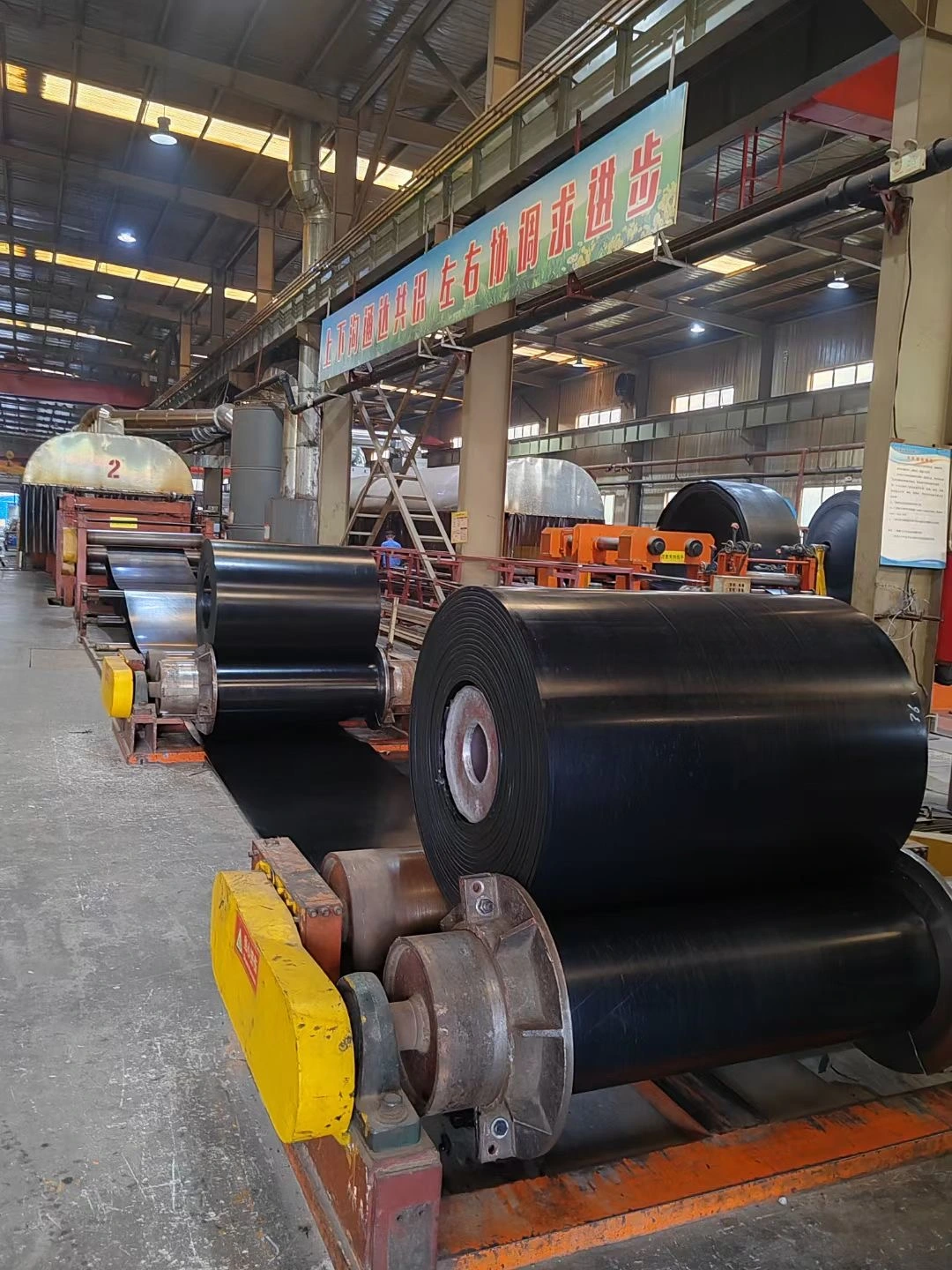
The production process of rubber sheets includes steps such as rubber mixing, rubber molding, rubber vulcanization, surface treatment, inspection and quality control, packaging and storage. These steps together ensure the quality and performance of the rubber sheet.
Rubber mixing: Rubber raw materials are crushed, sieved, and weighed, and mixed with various auxiliary agents such as vulcanizing agents, accelerators, and antioxidants through mixing machinery (such as rubber mills). The purpose of mixing is to ensure that the rubber and various auxiliary agents are fully and evenly dispersed, increasing the processability and physical and mechanical properties of the rubber.
Rubber molding: The mixed rubber is fed into rubber calenders and rubber extruders to form rubber sheets. These devices usually use heating and pressurization to allow the rubber to flow and fill the mold, maintaining the required shape and size during subsequent cooling and vulcanization.
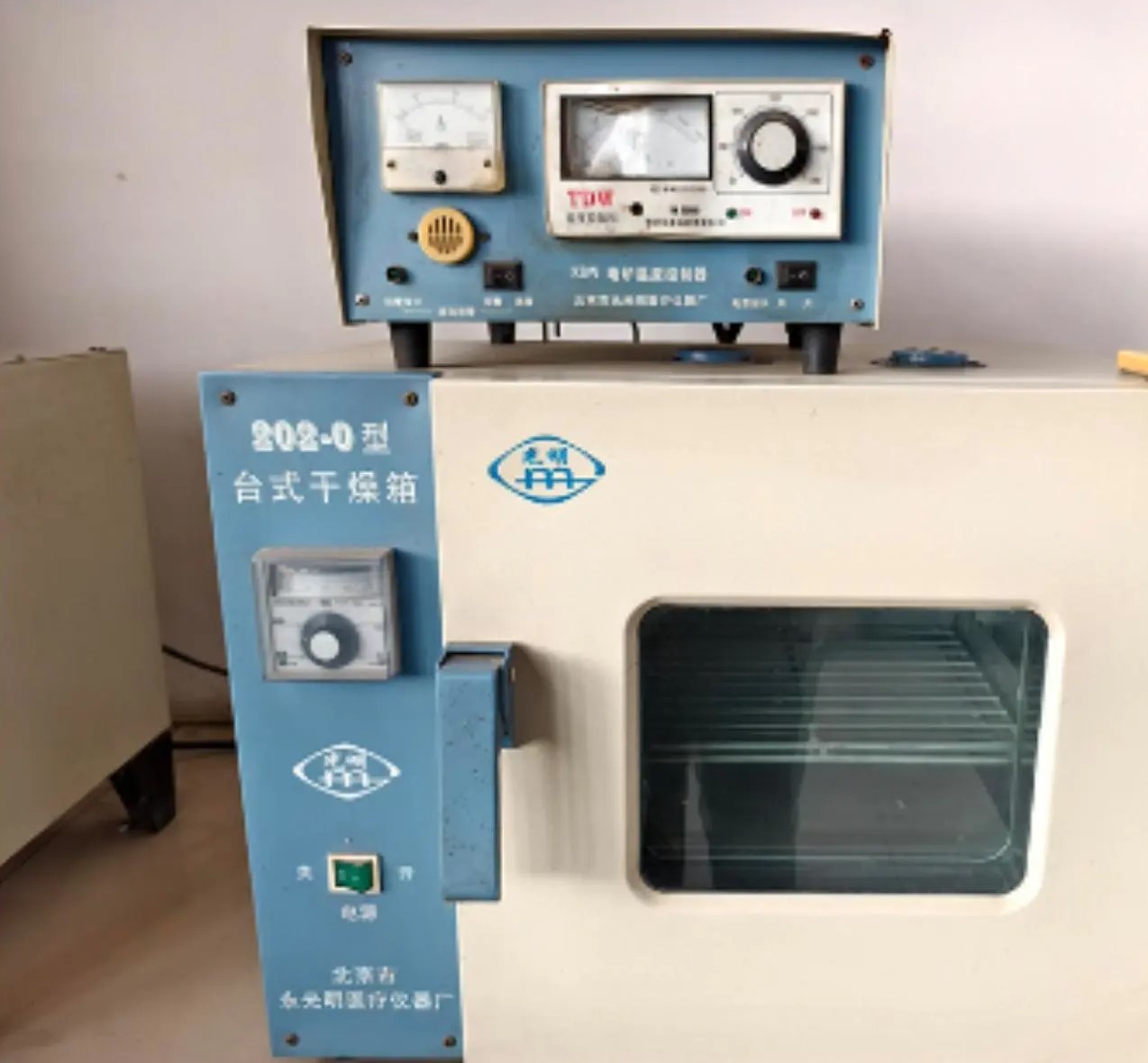
Rubber vulcanization: The molded rubber sheets need to undergo a vulcanization process to cause cross-linking reactions in the rubber material, improving the mechanical strength and wear resistance of the rubber. Vulcanization is usually carried out using high temperatures (approximately 150-180℃) and vulcanizing agents (such as sodium sulfide). The time and temperature need to be determined according to the type and thickness of the rubber material.
Surface treatment: After vulcanization, the rubber sheets undergo surface treatment such as removing surface roughness, cleaning, and trimming to improve the appearance quality and surface flatness of the rubber sheets.
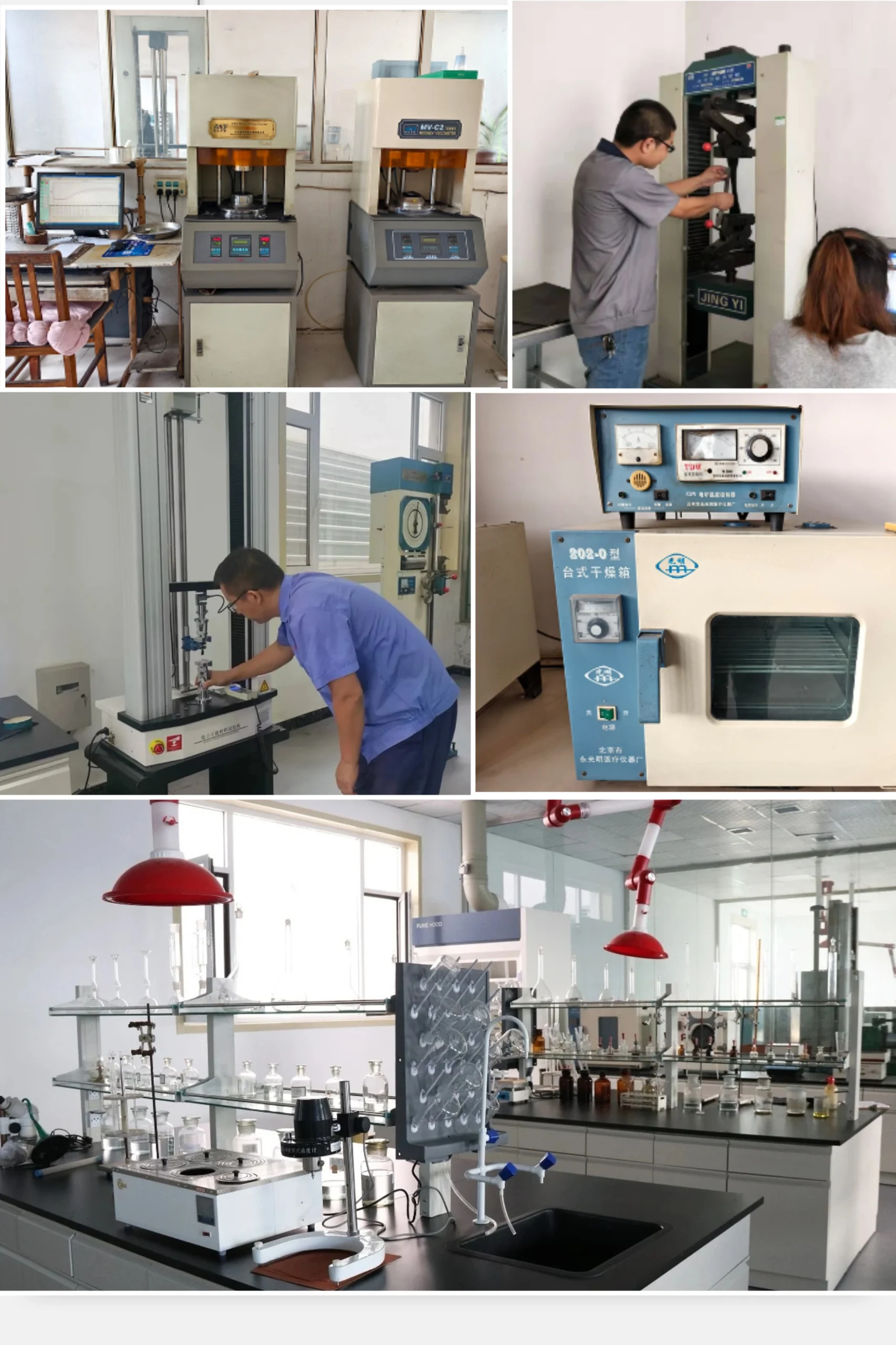
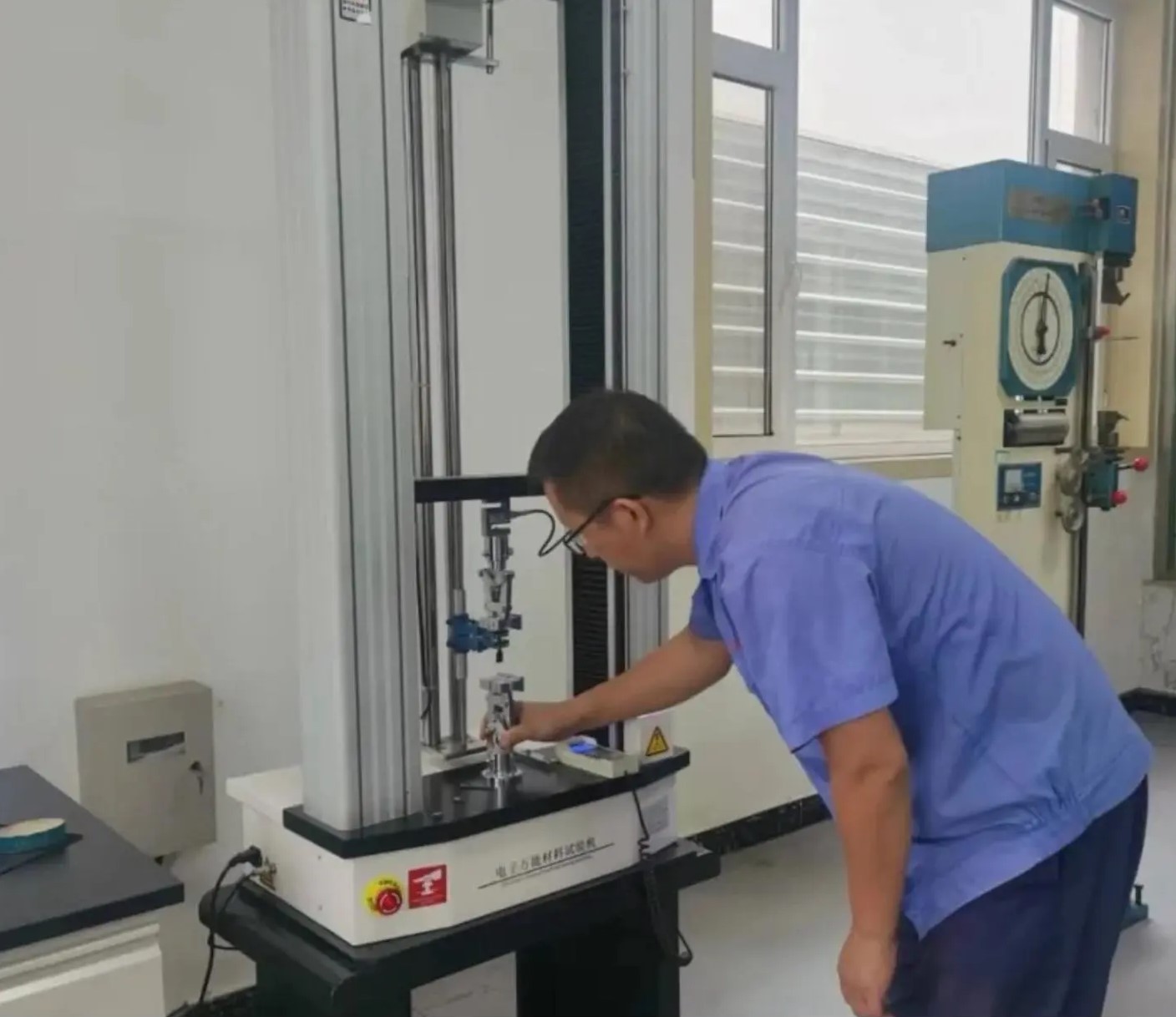
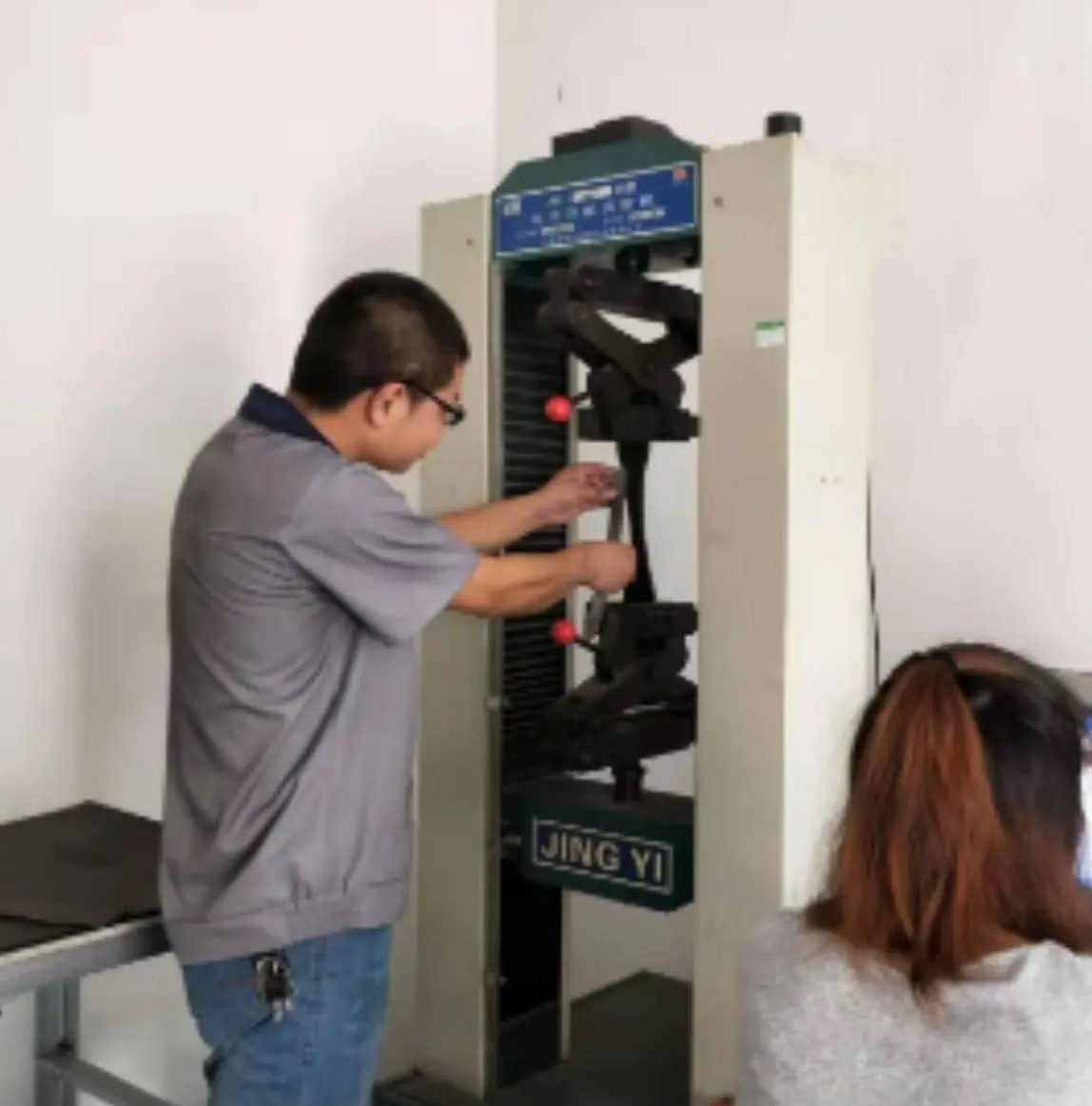
Inspection and quality control: The finished rubber sheets are inspected, such as checking the dimensions, hardness, tensile strength, wear resistance, and other physical and mechanical properties, and the product quality is evaluated and judged according to relevant standards.
Packaging and storage: Qualified rubber sheets are packaged, such as using plastic film for sealing, to facilitate protection and storage.
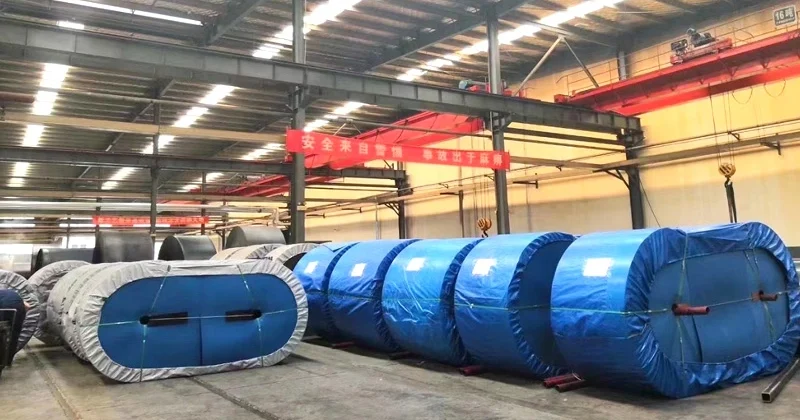
1. Waterproof nylon packaging with a steel bottom pallet or wooden pallet.
2. Standard and appropriate export packaging.
3. Customized packaging is available upon customer requirements.
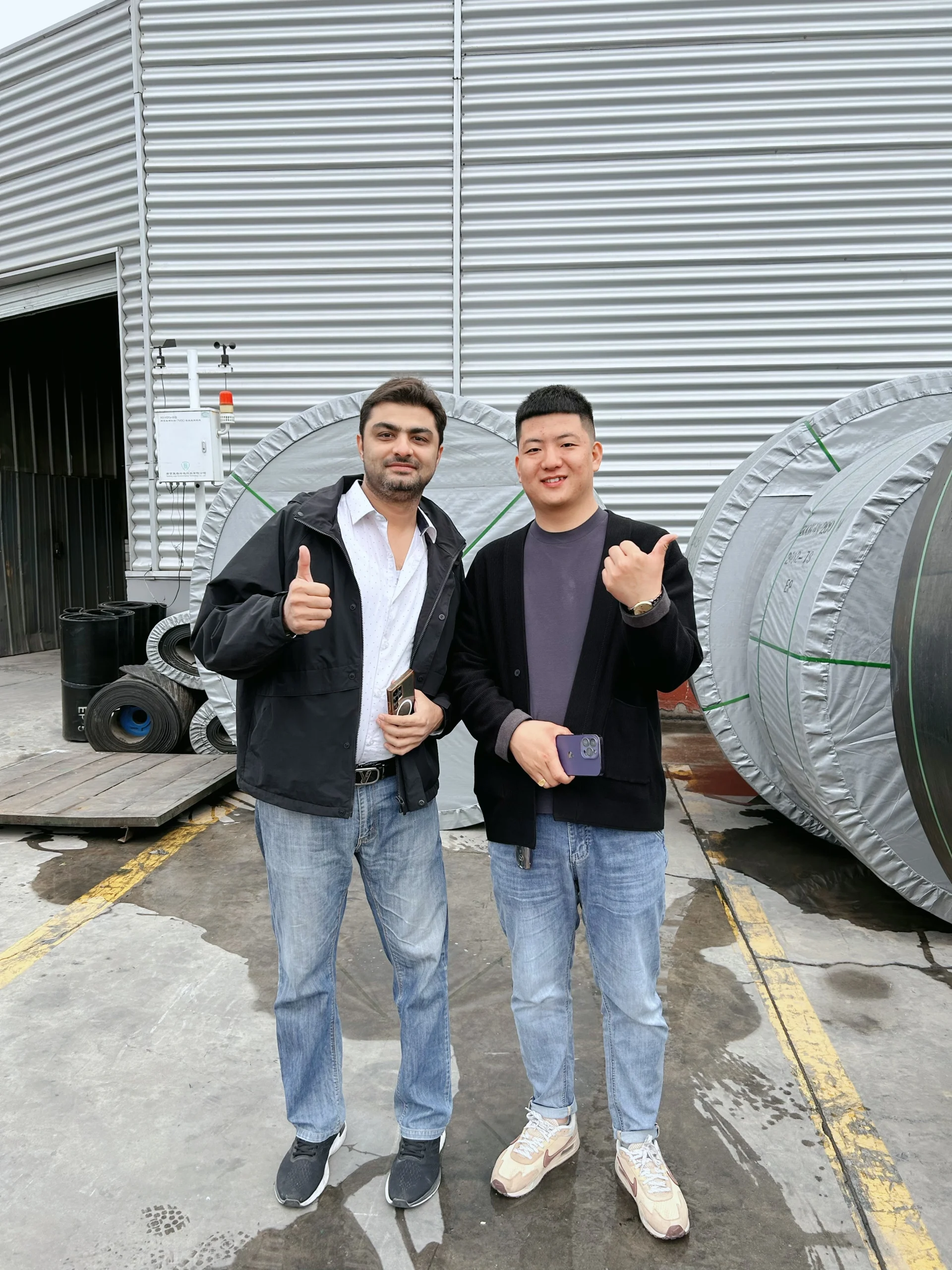
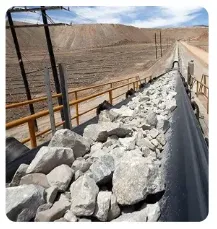
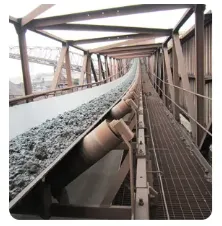
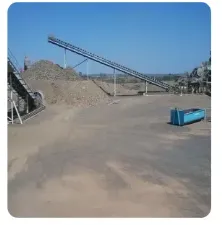
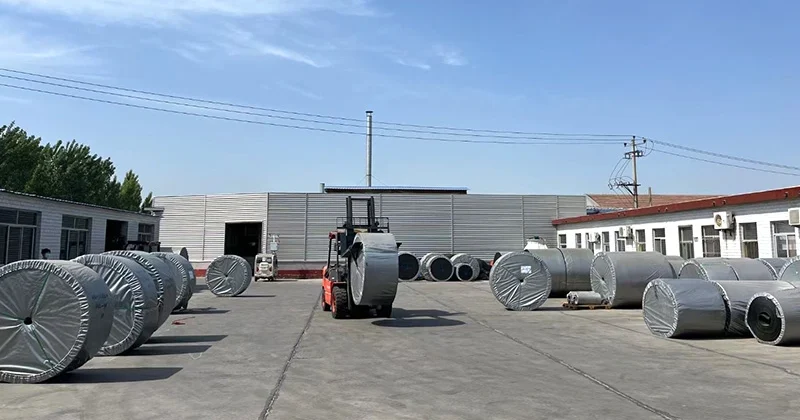
Fano Rubber Conveyor Belt is one of the best custom belt manufacturers in China. Our conveyor belts are ideal for handling various heavy-duty and abrasive materials in bulk material processing, successfully meeting the needs of various industries including stone crushing and screening, sand washing, fertilizer, grain transportation, steel plants, power plants, cement plants, metallurgy, coal, ports and docks, and construction. As a one-stop conveyor engineering manufacturer, we also provide excellent solutions for material handling problems and after-sales service for various applications.
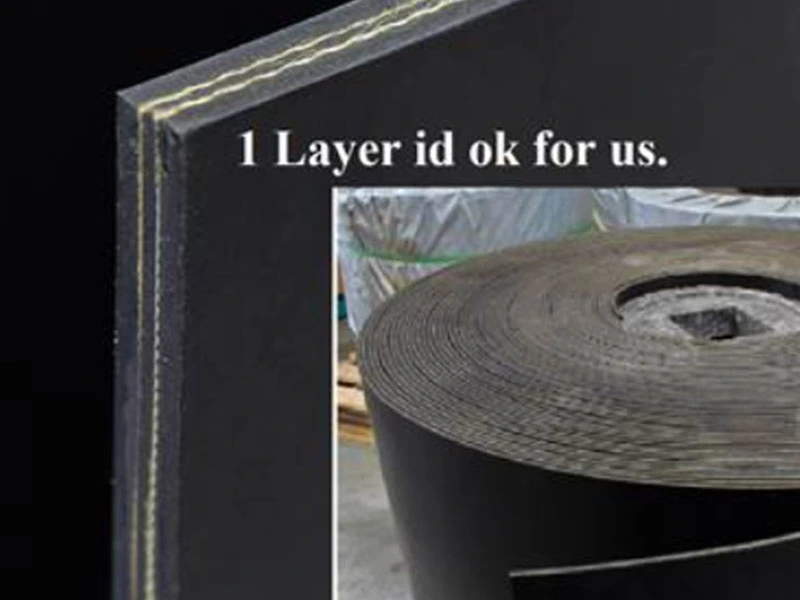
We specialize in the production of heavy-duty (nylon, EP polyester, EE, NN) multi-ply fabric core rubber conveyor belts, steel cord conveyor belts, corrugated edge conveyor belts, bucket elevator conveyor belts, and chevron conveyor belts, and circular conveyor belts. As a high-quality conveyor belt manufacturer, supplier, and exporter in China, we focus on providing customers with high-quality conveyor belts and professional services. YINGLANG Company has grown rapidly through innovation and professional services, and we are eager to expand our domestic and international markets!
OEM support, meeting all your needs, regardless of size, even if you only have an idea, we will help you realize it.
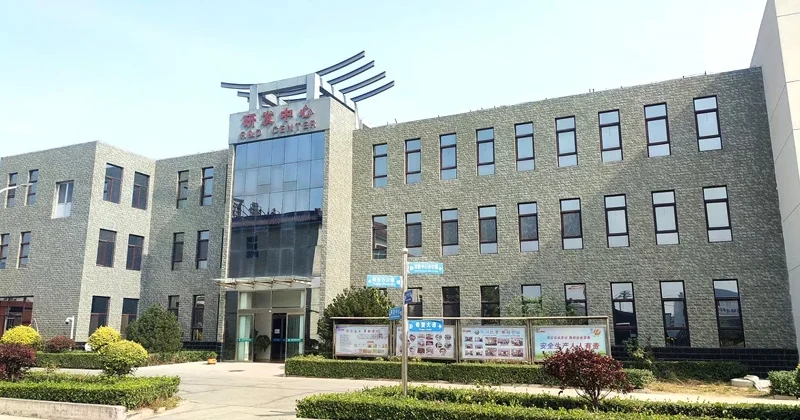
We have a strong R&D team that can develop and produce products according to customer-provided drawings or samples.
Same quality, lower price; same price, better quality; fast production cycle; short time; efficient and durable; reliable quality. We are based in the mid-to-high-end market, and our products meet international standards.


If you have any questions, please do not hesitate to ask us. Please also call us or email us before visiting to make sure that you will be served with our best services.
+86 18395653111
colin@bestbelting.com