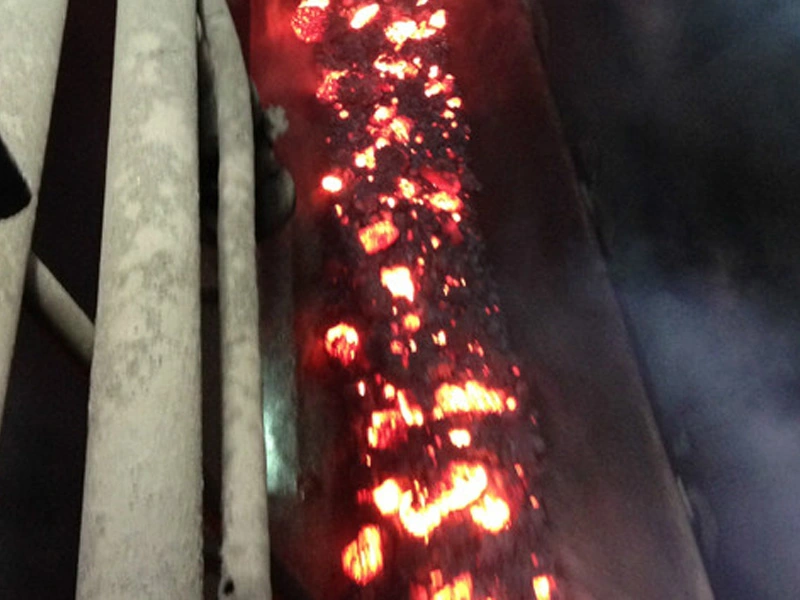
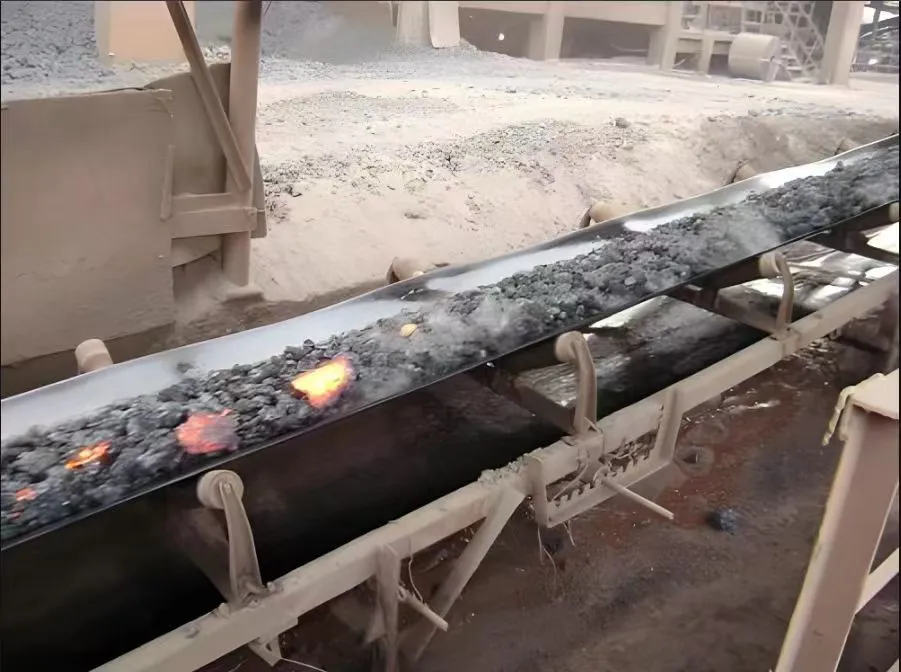
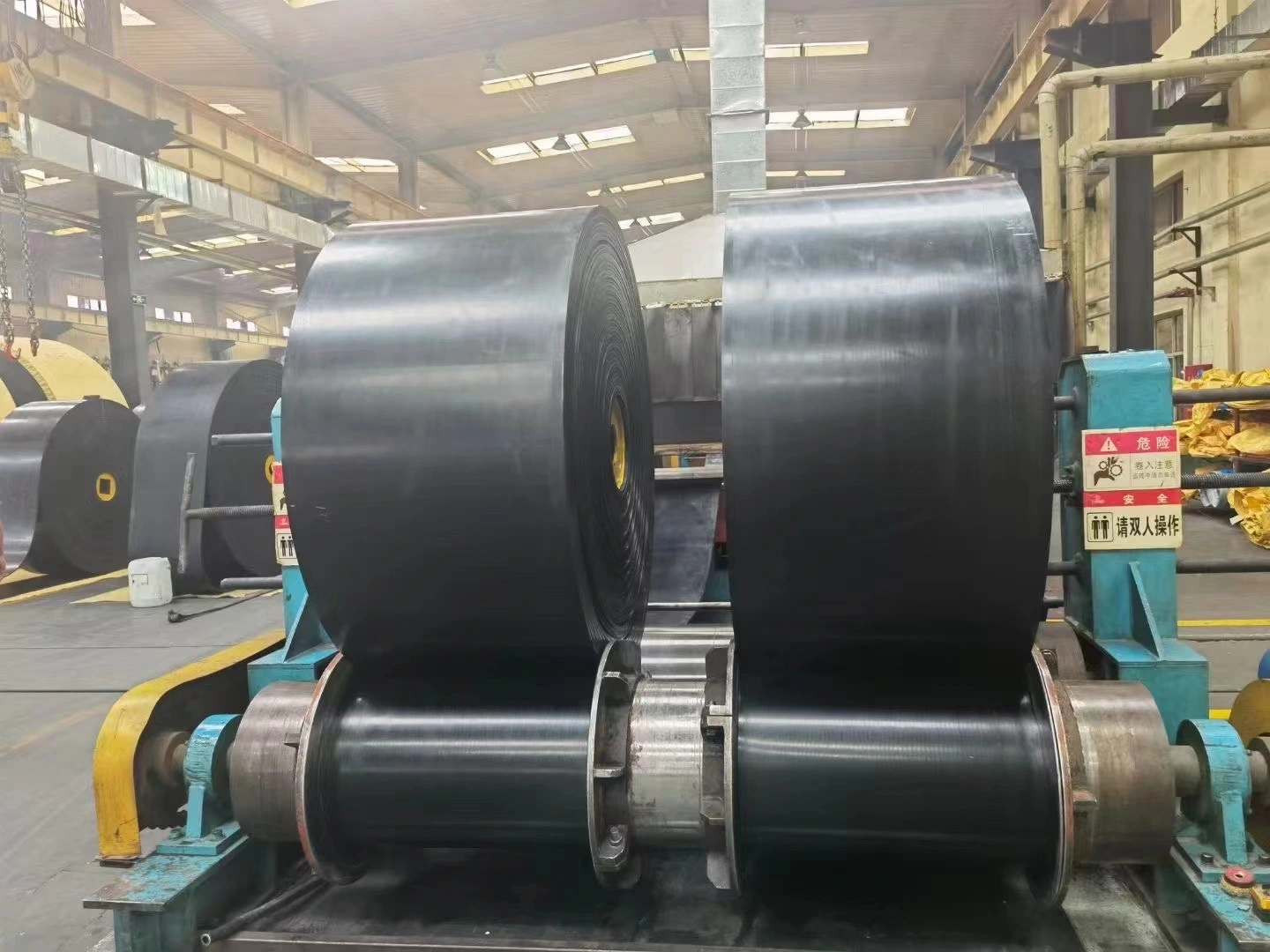
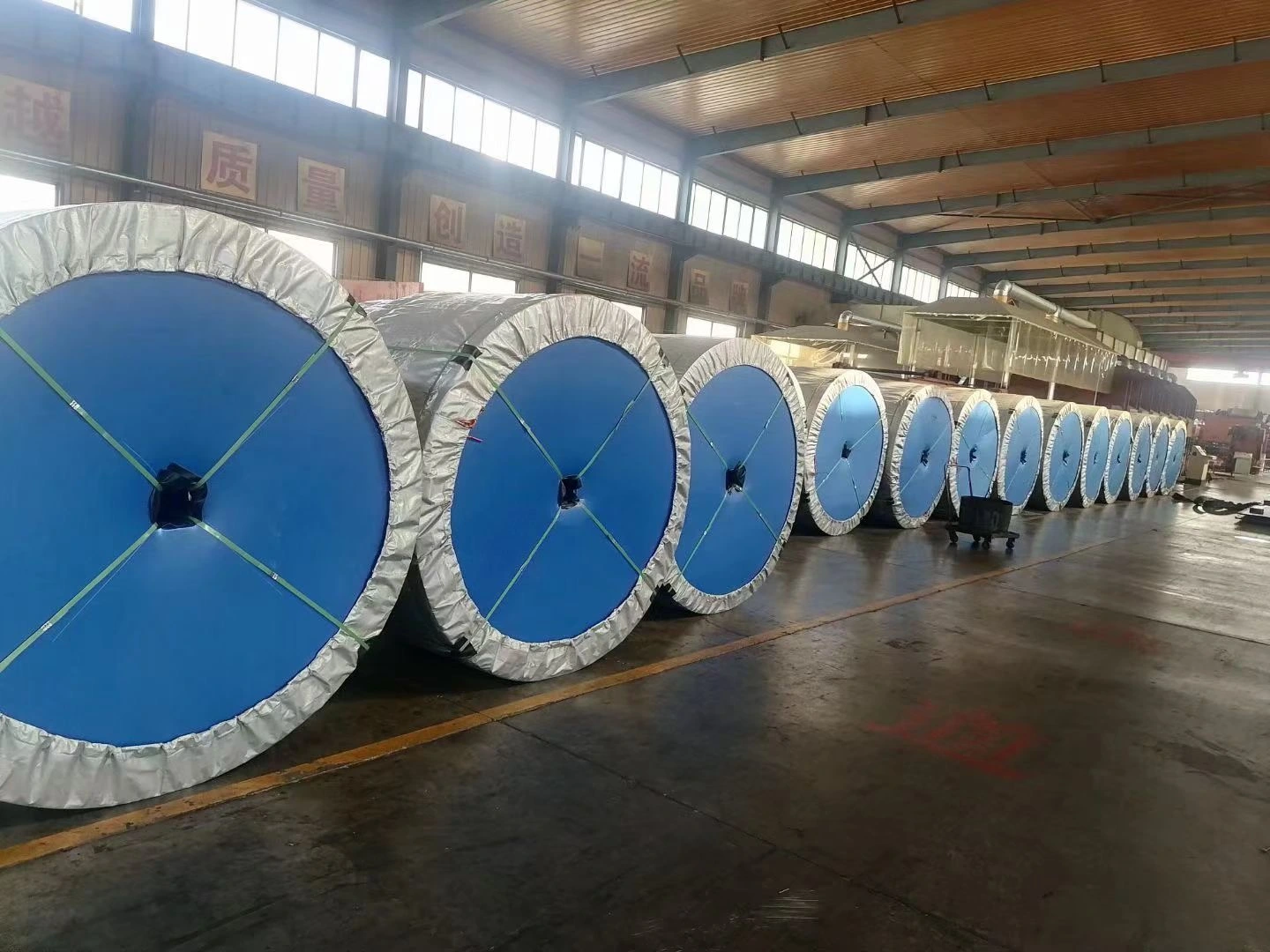
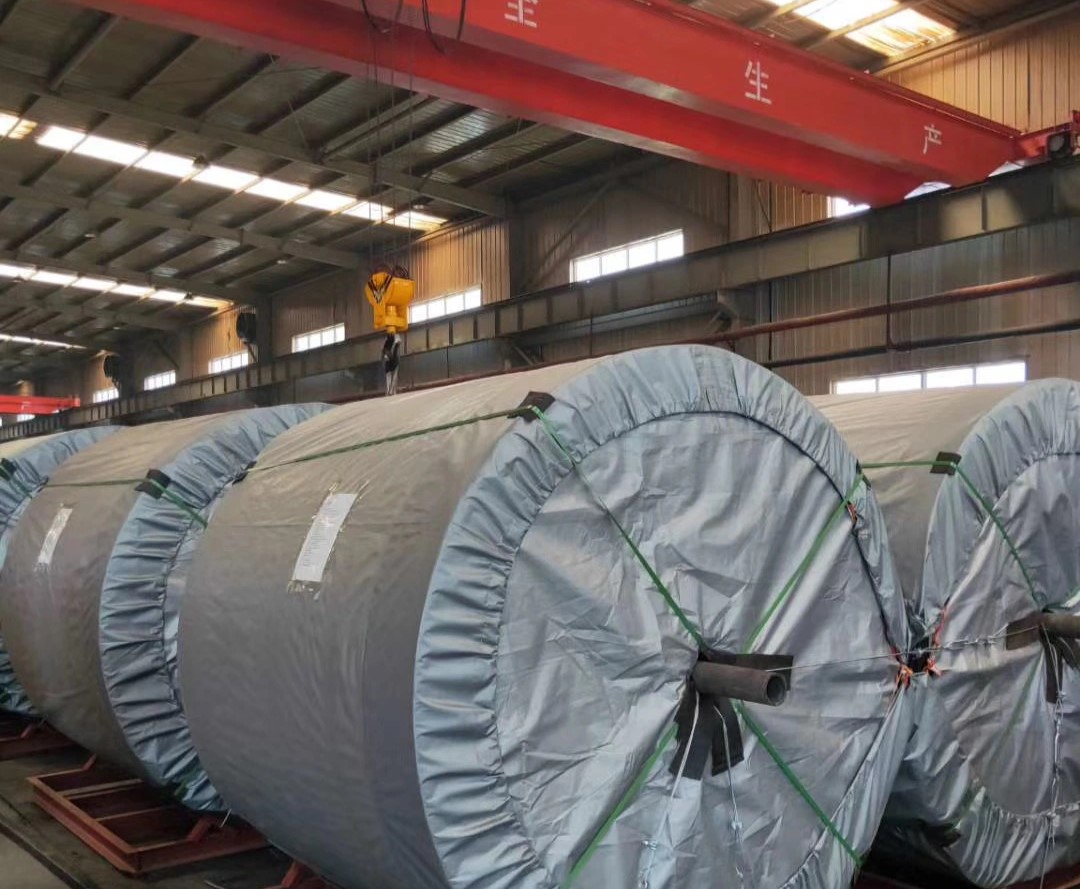
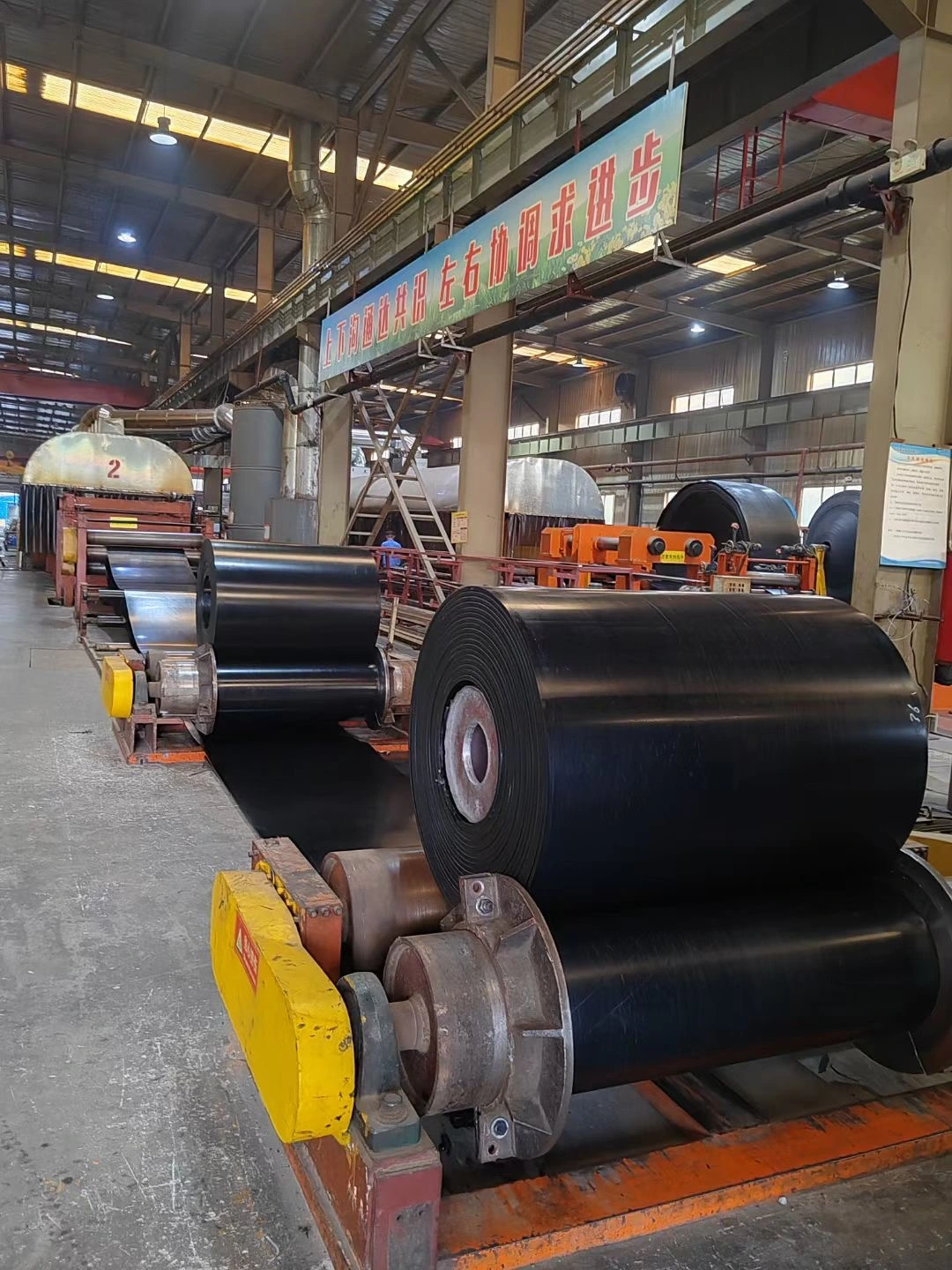
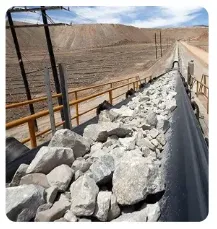
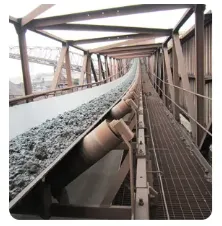
Fire-resistant, flame-retardant conveyor belts are suitable for conveying materials in high-temperature environments in the metallurgical, cement, and chemical industries. They are mainly used to convey high-temperature solid materials such as sintered ore, coke, and cement clinker. In coal mines, using fire-resistant (also known as flame-retardant) conveyor belts helps reduce the incidence of above-ground and underground fires. Coal mine operating environments are relatively complex, with many hazardous factors such as coal dust and gas, and the coal being transported is itself a flammable substance. If electrical sparks are generated during transportation, it is easy to cause a fire. Using fire-resistant conveyor belts for coal mines can reduce the possibility of static sparks during coal transportation, and even if static sparks are generated, fire-resistant conveyor belts for coal mines have high flame retardancy and can maximize the flame spread time.
Fire-resistant, flame-retardant, and scorch-resistant conveyor belts are suitable for high-temperature environments in the metallurgical, cement, and chemical industries. They are mainly used to convey high-temperature solid materials such as sintered ore, coke, and clinker.
Develop new structural skeleton materials to reduce the loss of strength due to heat aging during product use and improve service life;
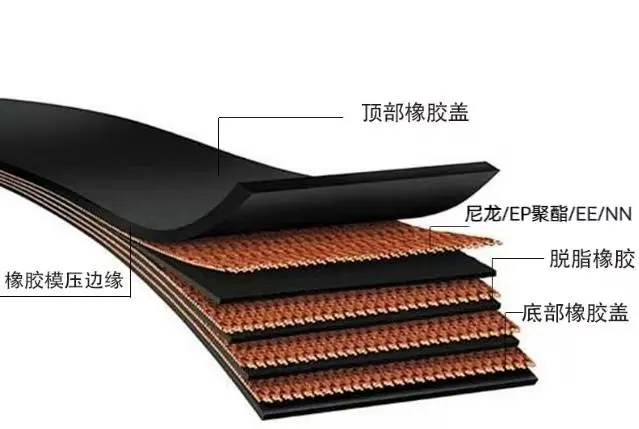
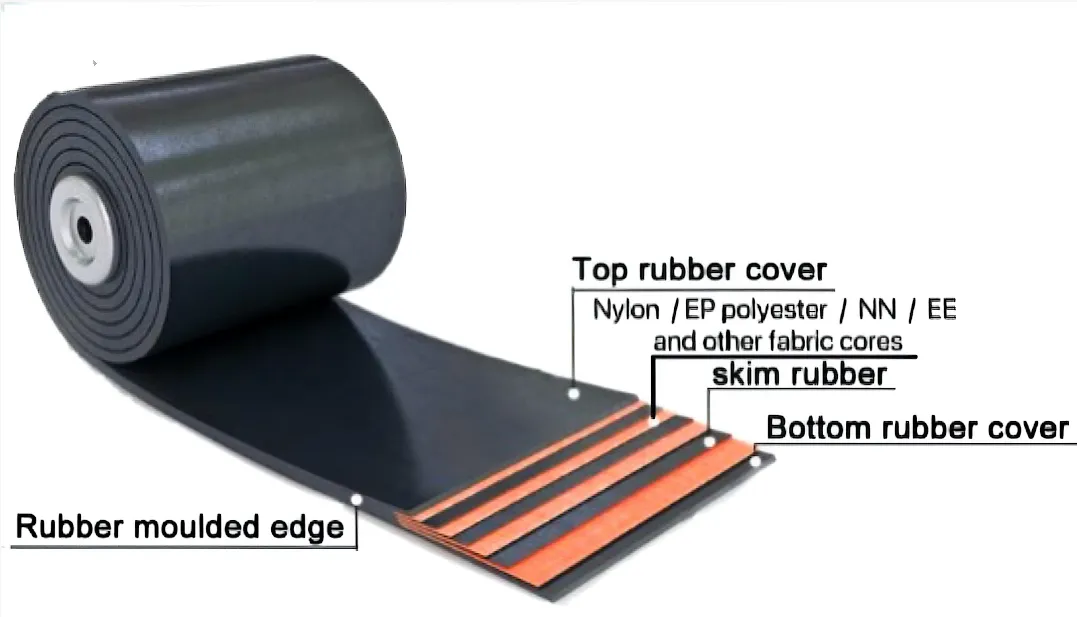
The cover rubber is designed using excellent natural rubber, ethylene propylene rubber, styrene-butadiene rubber, chloroprene rubber, nitrile rubber, etc., to improve the high-temperature resistance of the rubber compound and reduce heat aging loss.
| Item | GB20021 Standard | Fano Standard | |||||
| T1 | T2 | T3 | T3 | DAHR150 | DAHR180 | ||
| Test Temperature | |||||||
| ≤100℃ | ≤125℃ | ≤150℃ | ≤175℃ | ≤150℃ | ≤180℃ | ||
| Allowable Range of Change | |||||||
| Hardness | Difference between after and before aging | +20 | +20 | ±20 | ±20 | ±10 | ±10 |
| Maximum value after aging | 85 | 85 | 85 | 85 | 75 | 75 | |
| Tensile Strength | Performance Change Rate | -25 | -30 | -40 | -40 | ±15 | ±25 |
| Lower value after aging | 12 | 10 | 5 | 5 | 10 | 8 | |
| Elongation at Break | Change rate after aging | -50 | -50 | -55 | -55 | ±15 | ±15 |
| Lower value after aging | 200 | 200 | 180 | 180 | 400 | 350 | |
| German Standard DIN-22102 | ||||||
| Grade | Tensile strength ≥Ma | Elongation at break ≥M% | Abrasion ≥mm 3 | Interlaminar bonding strength (N/mm) | Bonding strength between cover layer and fabric layer (/mm) | |
| Cover layer thickness 0.8~1.5mm | Cover layer thickness >1.5mm | |||||
| W | 18 | 400 | 90 | ≥5 | 3.5 | 4.5 |
| X | 25 | 450 | 120 | |||
| Y | 20 | 400 | 150 | |||
| Z | 15 | 350 | 250 | |||
| British Standard BS 490 | ||||||
| Grade | Tensile strength ≥Ma | Elongation at break ≥M% | Abrasion ≥mm 3 | Interlaminar bonding strength (N/mm) | Bonding strength between cover layer and fabric layer (/mm) | |
| Cover layer thickness 0.8~1.5mm | Cover layer thickness >1.5mm | |||||
| M | 24 | 450 | – | ≥5.25 | 3.15 | 4.5 |
| N | 17 | 400 | – | |||
| Australian Standard AS 1332-2000 | ||||||
| Grade | Tensile strength ≥Ma | Elongation at break ≥M% | Abrasion ≥mm 3 | Interlaminar bonding strength (N/mm) | Bonding strength between cover layer and fabric layer (/mm) | |
| Cover layer thickness 0.8~1.5mm | Cover layer thickness >1.5mm | |||||
| A | 17 | 400 | 70 | 6 | 4 | 4.8 |
| E | 14 | 300 | – | |||
| F | 14 | 300 | – | |||
| M | 24 | 450 | 125 | |||
| N | 17 | 400 | 200 | |||
| S | 14 | 300 | 250 | |||
| S* | 12 | 300 | 250 | |||
| South African SANS 1173:2005 | ||||||
| Grade | Tensile strength ≥Ma | Elongation at break ≥M% | Abrasion ≥mm 3 | Interlaminar bonding strength (N/mm) | ||
| Bonding strength between cover layer and fabric layer (N/mm) | ||||||
| A | 18 | 400 | 90 | ≥7 | ≥5 | |
| X | 25 | 450 | 120 | |||
| M | 24 | 450 | 150 | |||
| N | 20 | 400 | 250 | |||
| Fabric carcass type | Fabric structure | Fabric model | Rubberized fabric thickness (mm/p) | Strength series (N/mm) | Cover rubber thickness | Width range (mm) | ||||||
| Warp | Weft | 2 layers | 3 layers | 4 layers | 5 layers | 6 layers | Top cover layer | Bottom cover layer | ||||
Nylon canvas EP polyester canvas NN canvas EE canvas | Nylon | Nylon | Nylon/EP polyester/NN/EE-100 | 1.00 | 200 | 300 | 400 | 500 | 600 | 0-12 | 0-10 | 300-2500 |
| Nylon/EP polyester/NN/EE-125 | 1.05 | 250 | 375 | 500 | 625 | 750 | ||||||
| Nylon/EP polyester/NN/EE-150 | 1.10 | 300 | 450 | 600 | 750 | 900 | ||||||
| Nylon/EP polyester/NN/EE-200 | 1.20 | 400 | 600 | 800 | 1000 | 1200 | ||||||
| Nylon/EP polyester/NN/EE-250 | 1.40 | 500 | 750 | 1000 | 1250 | 1500 | ||||||
| Nylon/EP polyester/NN/EE-300 | 1.60 | 600 | 900 | 1200 | 1500 | 1800 | ||||||
| Bonding strength, elongation performance | |||||
| Core material | Bond strength | Elongation performance | |||
| N/mm between plies | N/mm between cover and plies | Full thickness longitudinal tensile elongation at break | Full thickness longitudinal reference force elongation | ||
| Cover thickness ≤1.5mm | Cover thickness ≥1.5mm | ||||
Nylon canvas EP polyester canvas NN canvas EE canvas | ≥5 | ≥4.5 | ≥5 | ≥10% | ≤4%6 |
| China GB/T7984-2013 GB/T 32457-2015 Conveyor belt cover performance standard parameters | |||||
| Cover layer level | Tensile Strength | Elongation at Break | Abrasion loss | Change rate of tensile strength and elongation at break after aging | |
| Mpa | Kgf/cm2 | % | mm 3 | % | |
| H | ≥24 | ≥240 | ≥450 | ≤120 | -25~ +25 |
| D | ≥18 | 180 | ≥400 | ≤100 | -25~ +25 |
| L | ≥15 | 150 | ≥350 | ≤200 | -25~ +25 |
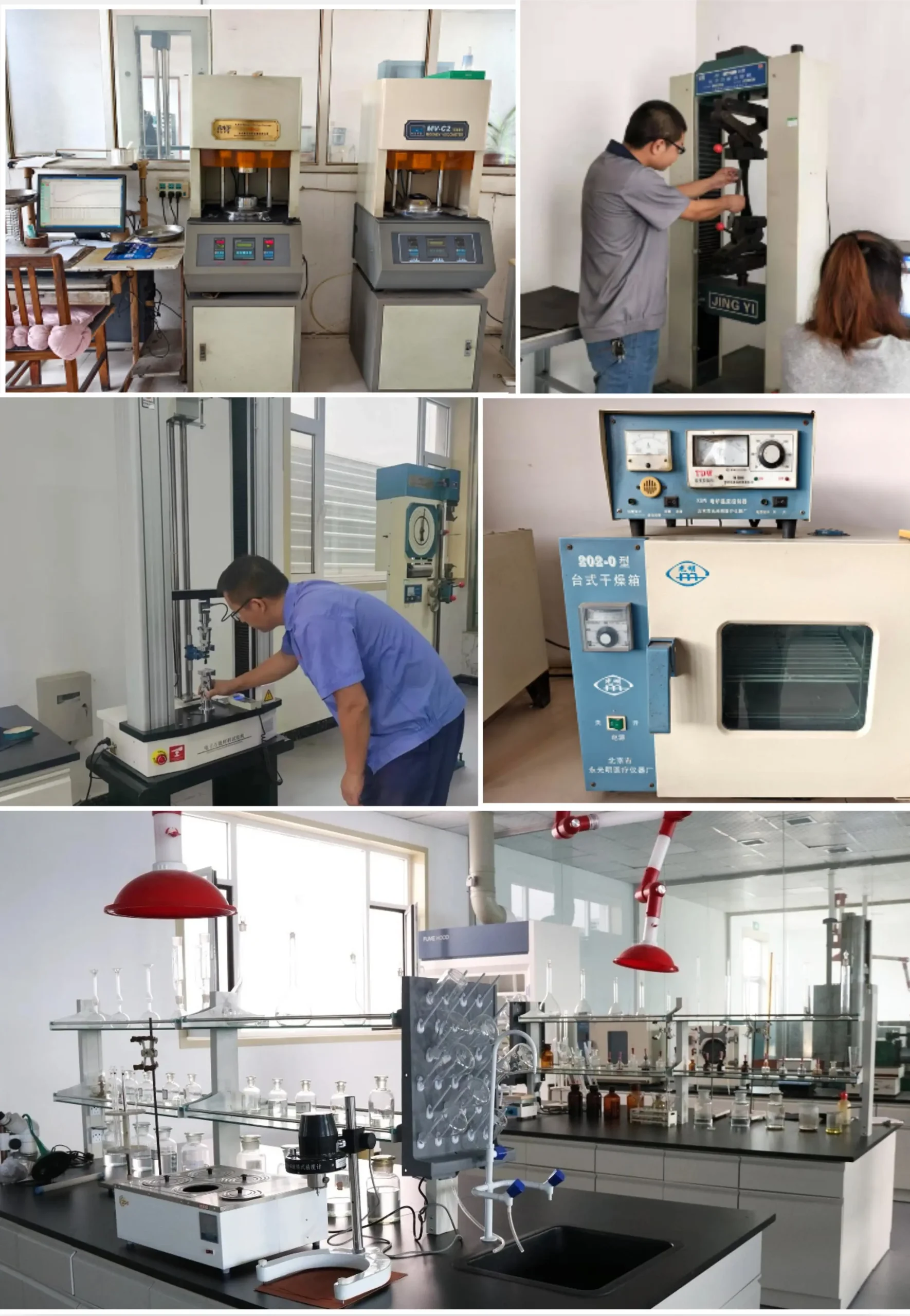
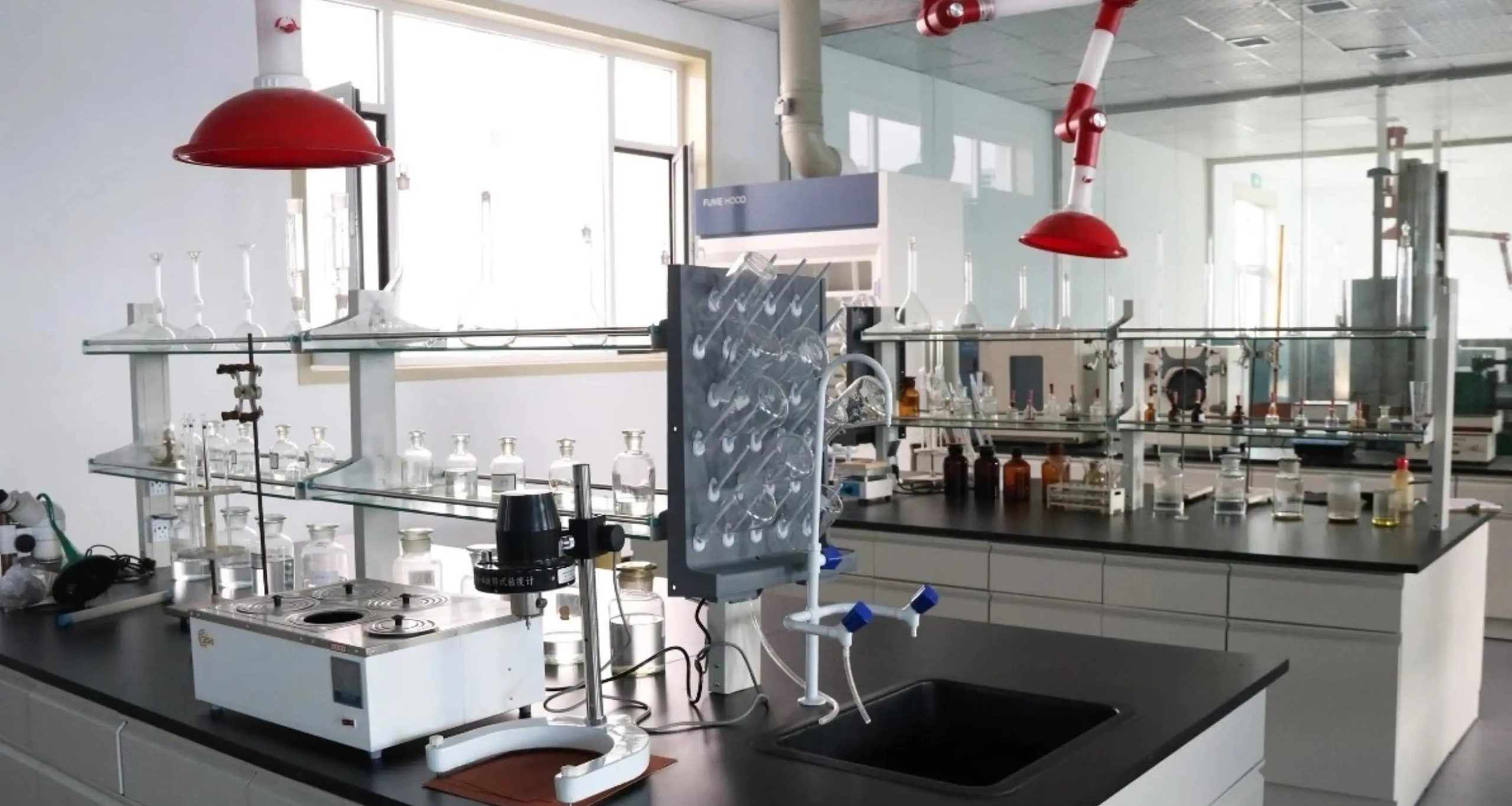
We test fire-resistant, flame-retardant, and scorch-resistant conveyor belts to determine if they can be safely used in these potentially hazardous environments.
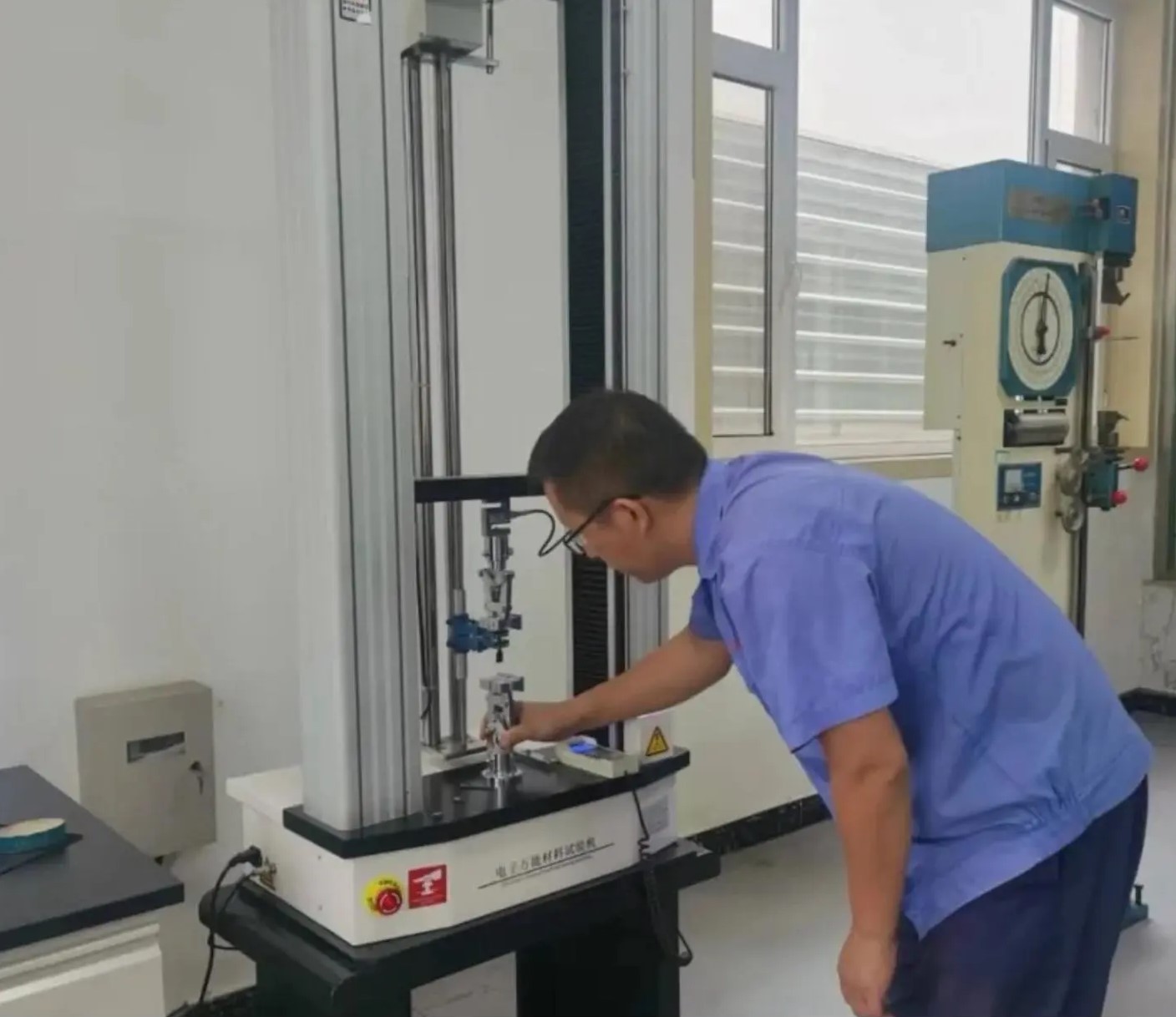
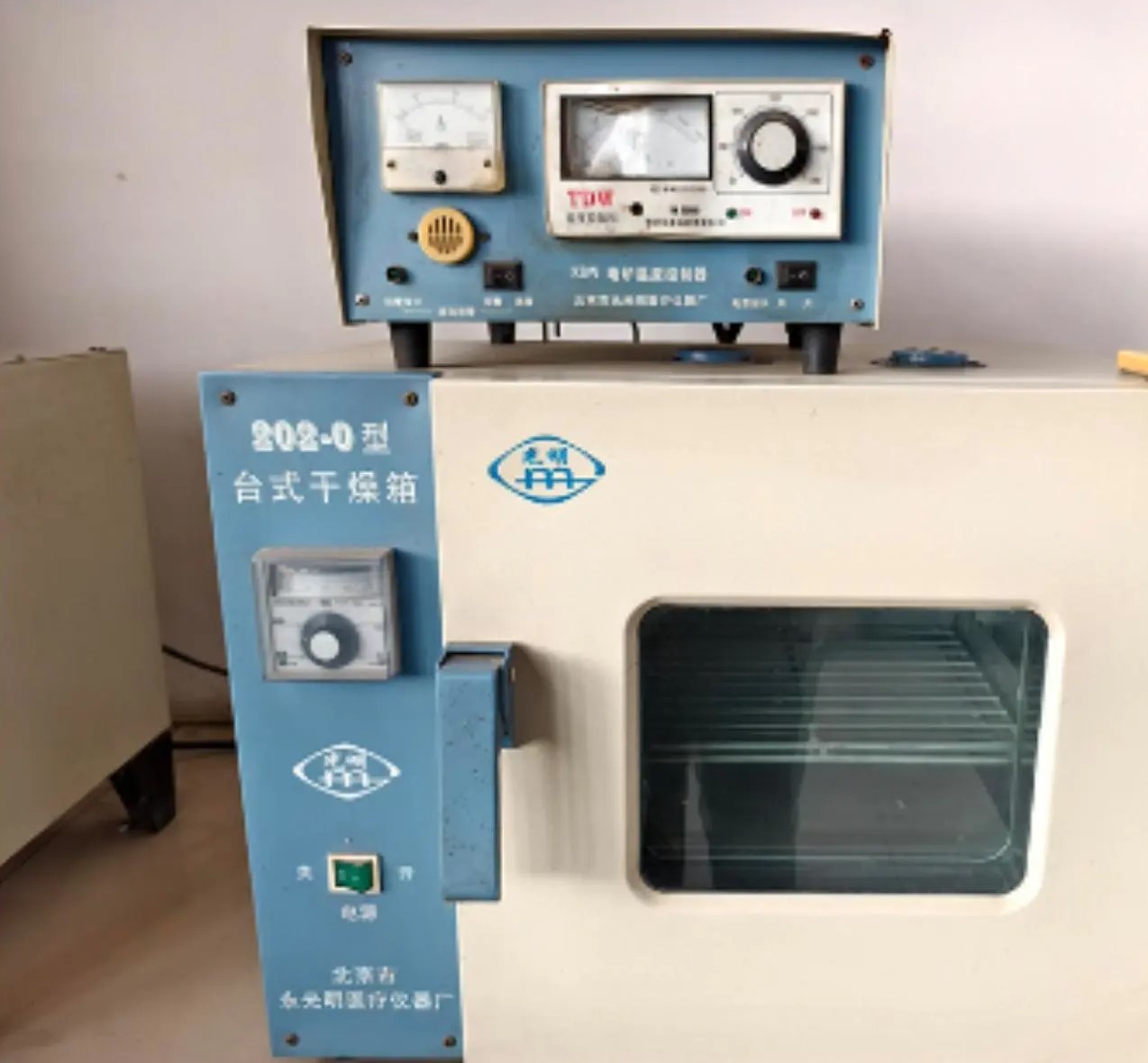
Our fire-resistant, flame-retardant, and scorch-resistant belt testing facilities include:
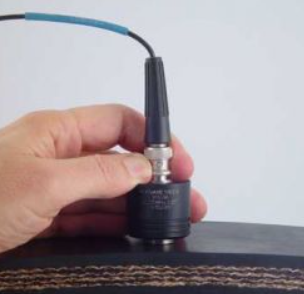
• Drum friction testing machine
• Resistance and laboratory flame equipment
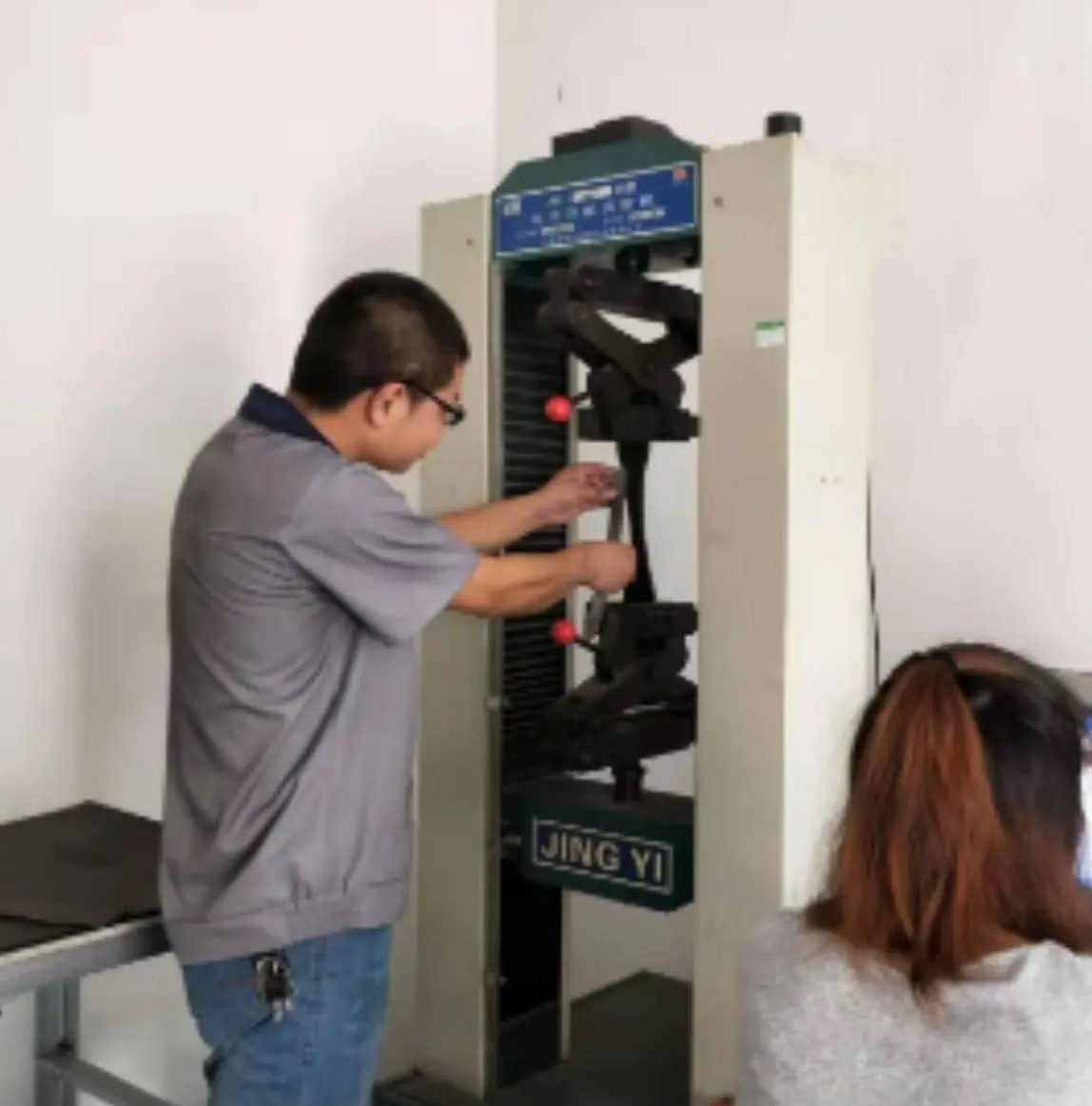
• Tensile testing machine.
| Self-extinguishing conveyor belt test | Drum friction test | Surface resistance test | High-energy propane combustion test |
![]() | ![]() | ![]() | ![]() |
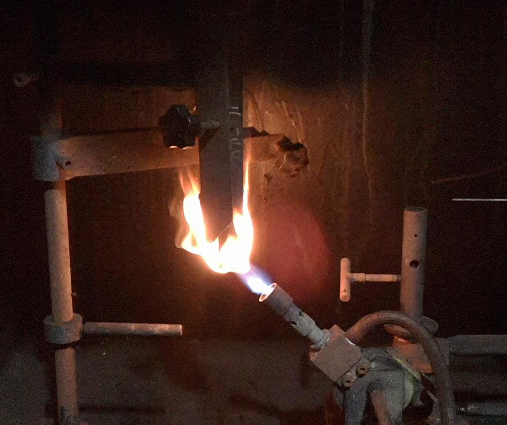
| The test requires exposing six independent belt samples to an open flame to cause them to burn. The flame source is then removed, and the burning time (flame duration) of the specimen is recorded. After removing the flame, airflow is directed at the specimen for a specified time, and the flame should not reignite. The time it takes for the belt sample to self-extinguish after removing the ignition source (flame) is then measured. The duration of continuous burning (visible flame) for each sample should be less than 15 seconds, and the maximum cumulative duration should not exceed 45 seconds. | The drum friction test simulates a belt slipping on a jammed pulley or a pulley rotating under a stationary conveyor belt. This test measures whether the surface temperature remains below a specified maximum temperature under a specific time and tension. Typically, the pulley surface temperature of rubber conveyor belts can reach up to 500°C (930°F). No flames or glowing visual appearance is allowed. | Static charges may accumulate on the surface of the conveyor belt and ignite a mixture of combustible gases and air. Therefore, the surface resistance of the conveyor belt cover must be below 300 megohms. | The conveyor belt must not conduct fire. To determine if the conveyor belt meets this requirement, a propane burner is used to ignite the conveyor belt. After removing the ignition source, the flame must extinguish itself within a certain time or distance. The typical sample full-width length for this test is 2 meters. |
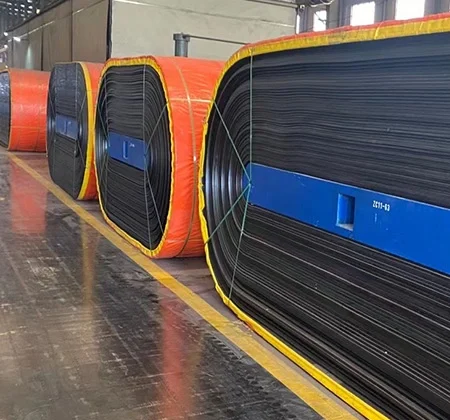
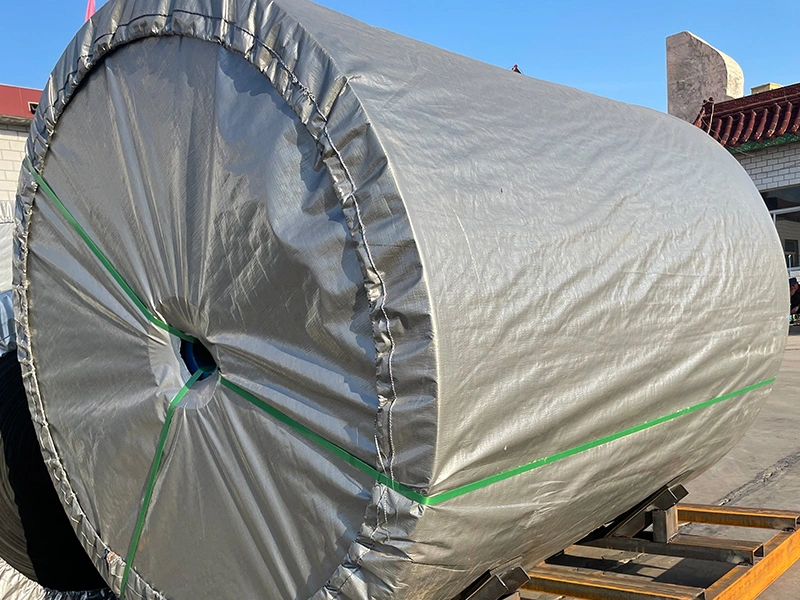
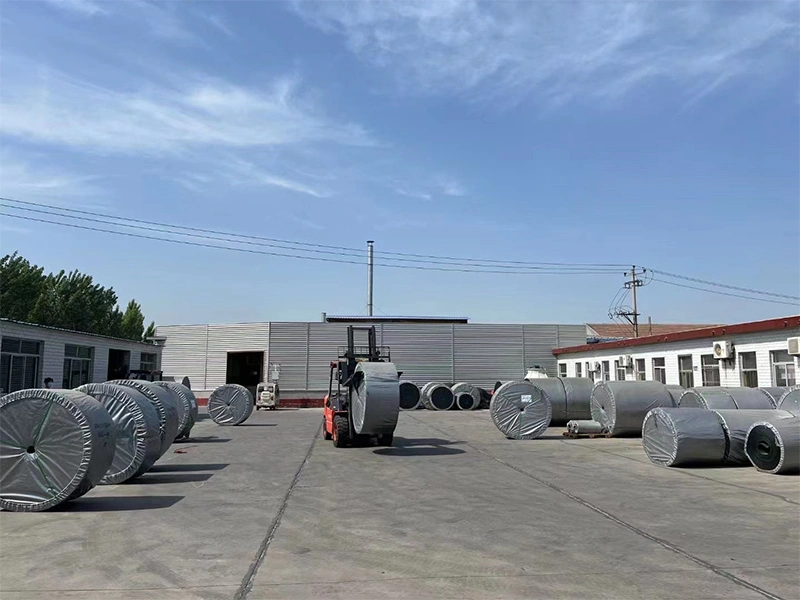
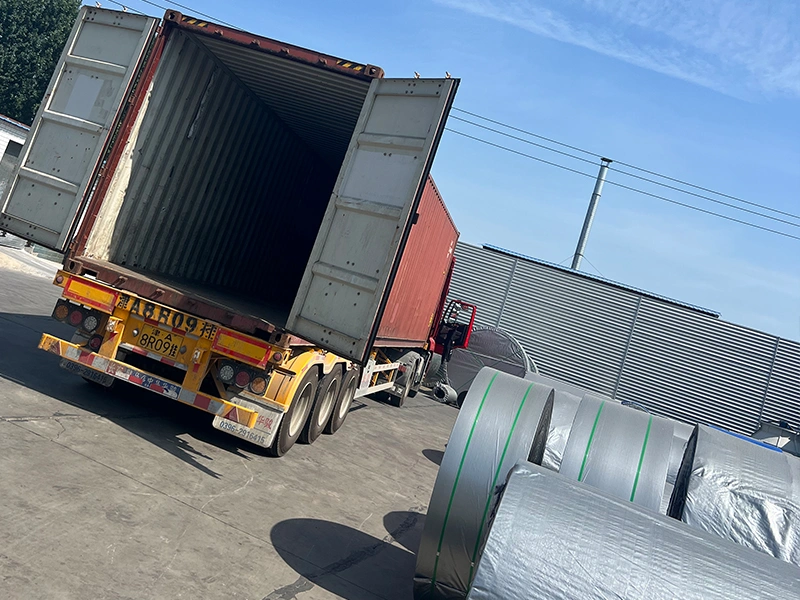
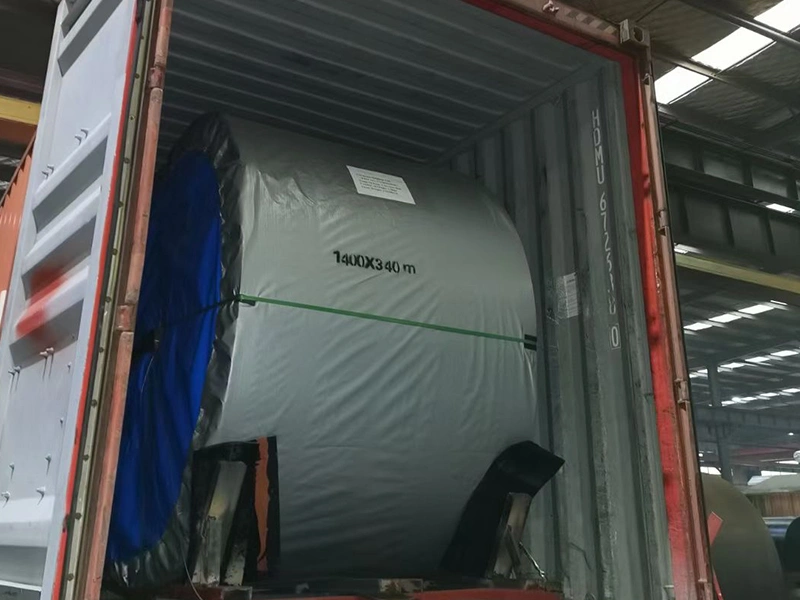
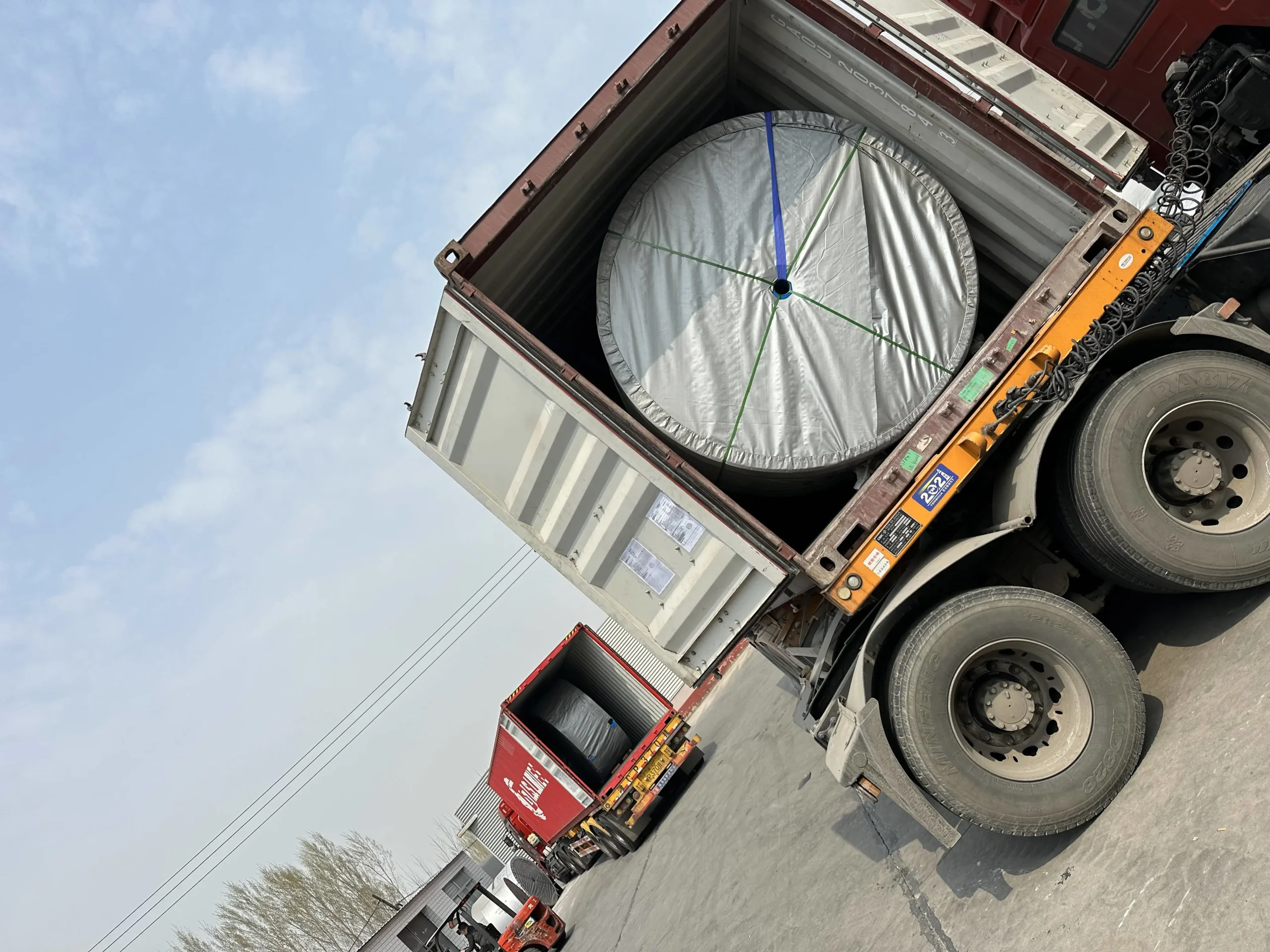
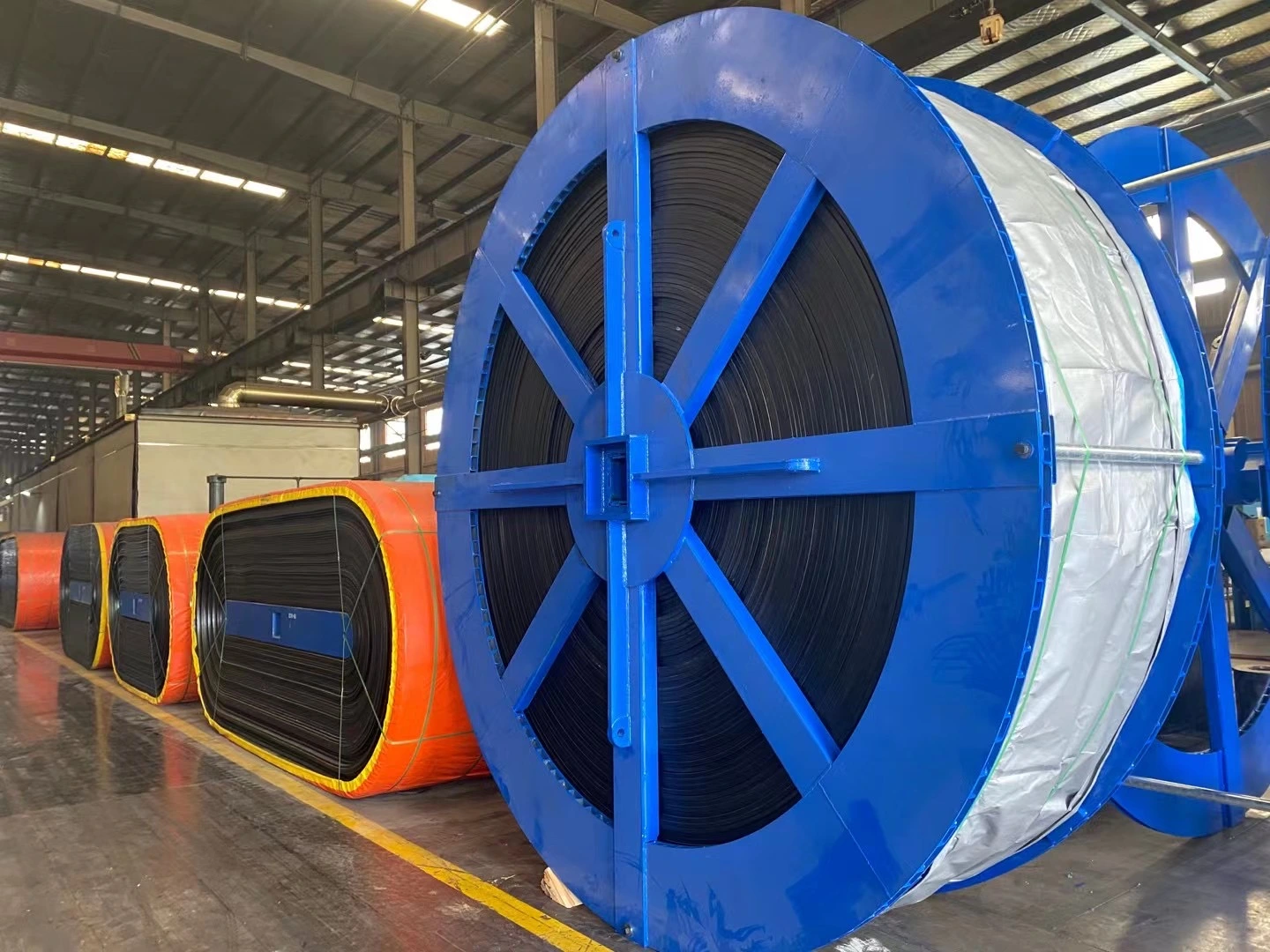
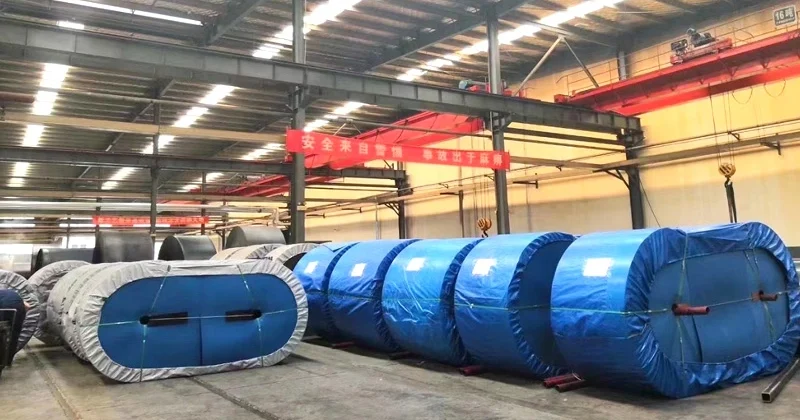
1. Waterproof nylon packaging with a steel bottom pallet or wooden pallet.
2. Standard and appropriate export packaging.
3. Packaging can be customized according to customer requirements.
Fano Rubber Conveyor Belt is one of the best custom belt manufacturers in China. Our conveyor belts are ideal for handling various heavy-duty and abrasive materials in bulk material processing, successfully meeting the needs of various industries including stone crushing and screening, sand washing, fertilizer, grain transportation, steel plants, power plants, cement plants, metallurgy, coal, ports and docks, and construction. As a one-stop conveyor engineering manufacturer, we also provide excellent solutions for material handling problems and after-sales service for various applications.
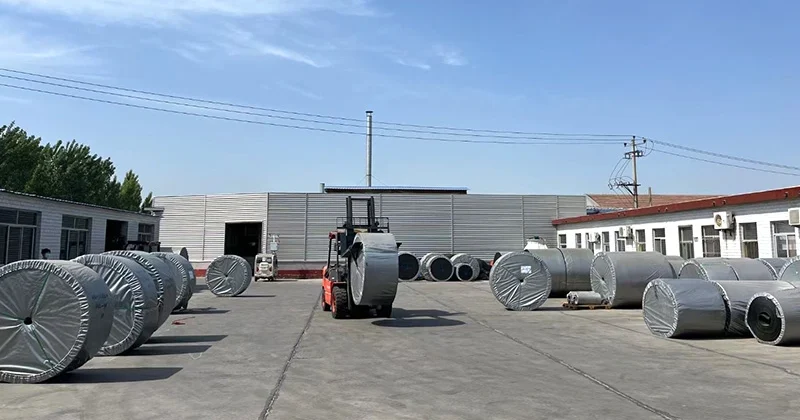
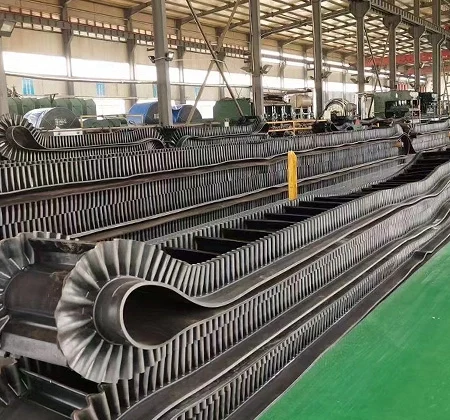
We specialize in the production of heavy-duty (nylon, EP polyester, EE, NN) multi-ply fabric core rubber conveyor belts, steel cord conveyor belts, corrugated edge conveyor belts, bucket elevator conveyor belts, and chevron conveyor belts, and circular conveyor belts. As a high-quality conveyor belt manufacturer, supplier, and exporter in China, we focus on providing customers with high-quality conveyor belts and professional services. YINGLANG Company has grown rapidly through innovation and professional services, and we are eager to expand our domestic and international markets!
OEM support, meeting all your needs, regardless of size, even if you only have an idea, we will help you realize it.
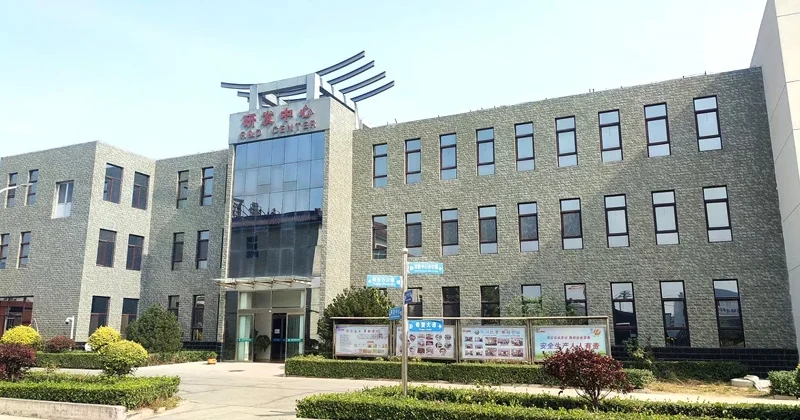
We have a strong R&D team that can develop and produce products according to customer-provided drawings or samples.
Same quality, lower price; same price, better quality; fast production cycle; short time; efficient and durable; reliable quality. We are based in the mid-to-high-end market, and our products meet international standards.


If you have any questions, please do not hesitate to ask us. Please also call us or email us before visiting to make sure that you will be served with our best services.
+86 18395653111
colin@bestbelting.com