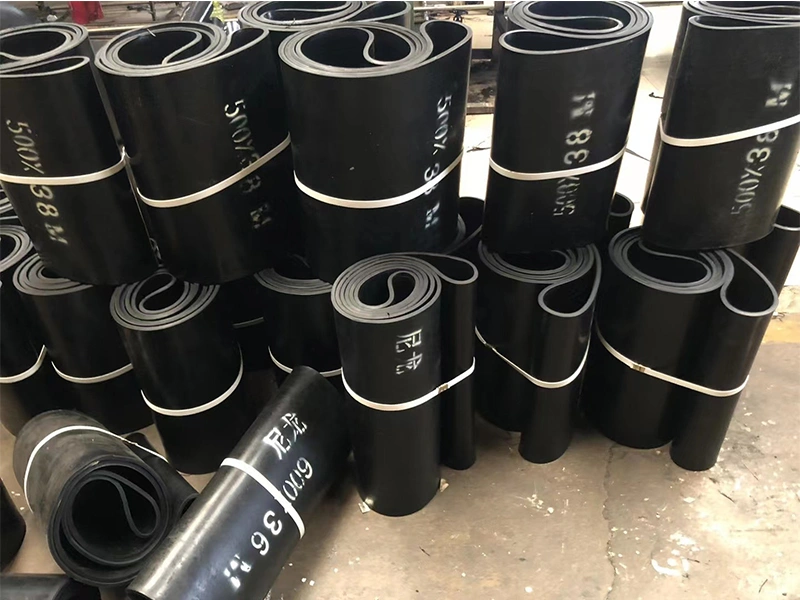
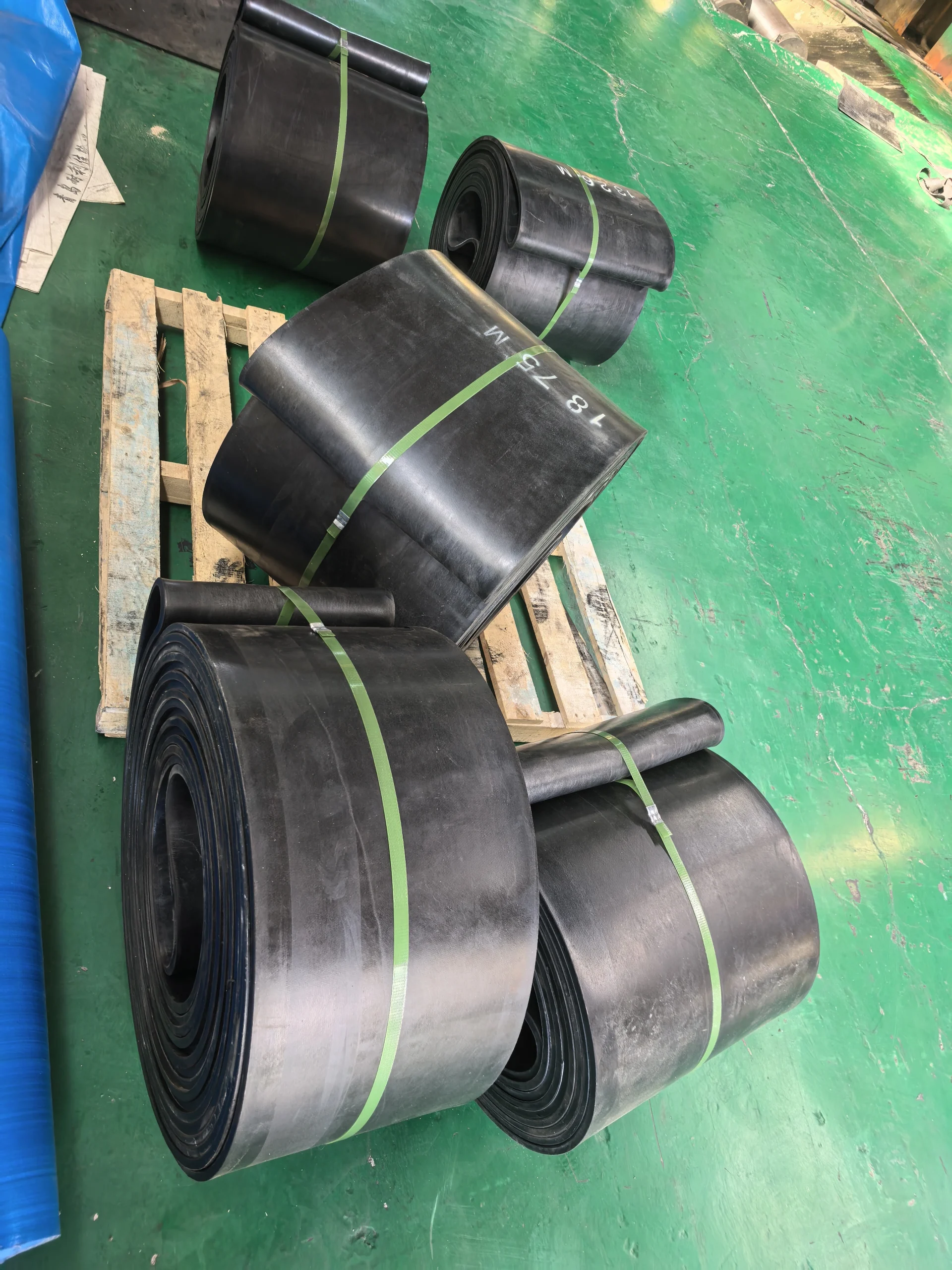
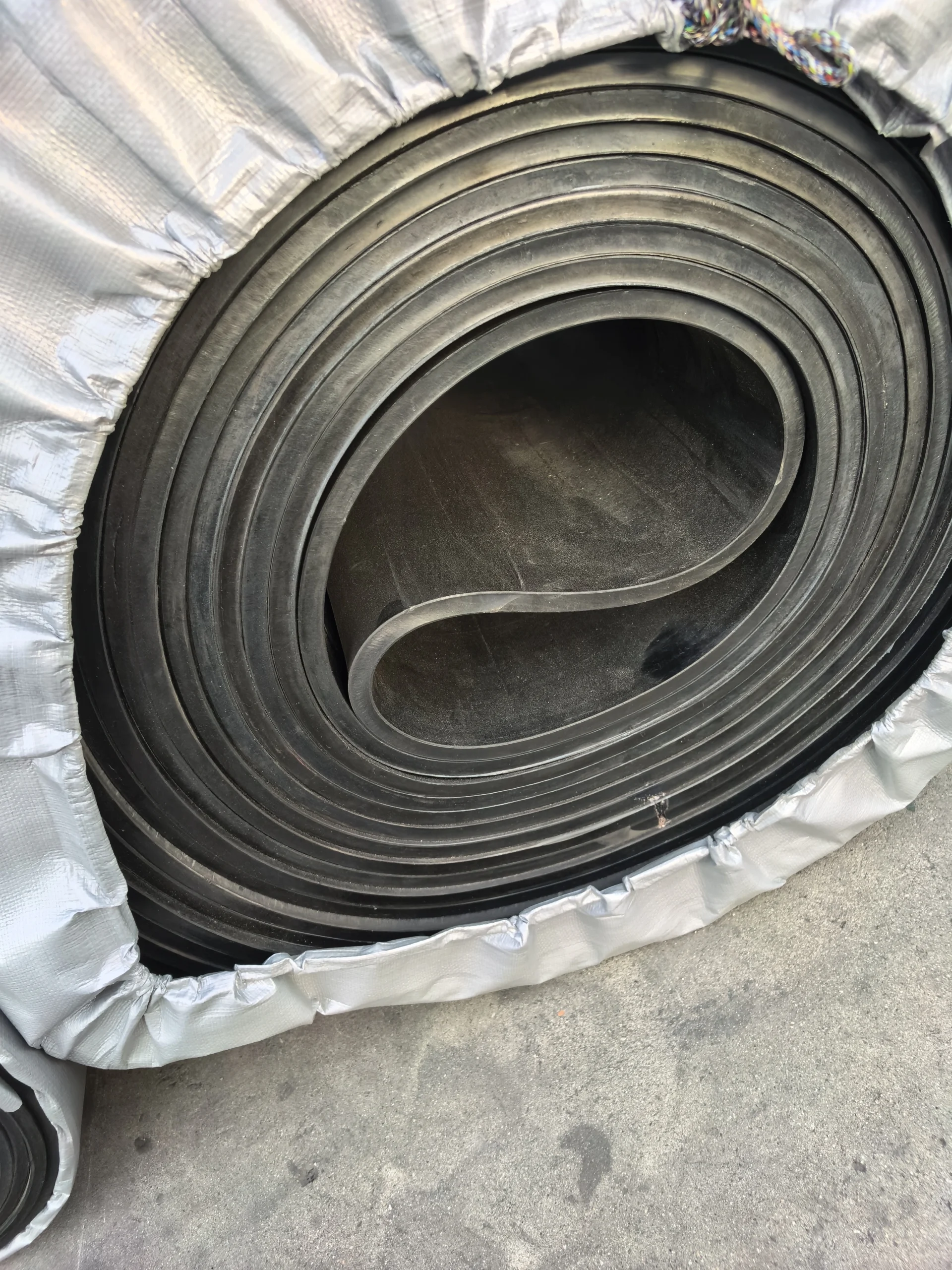
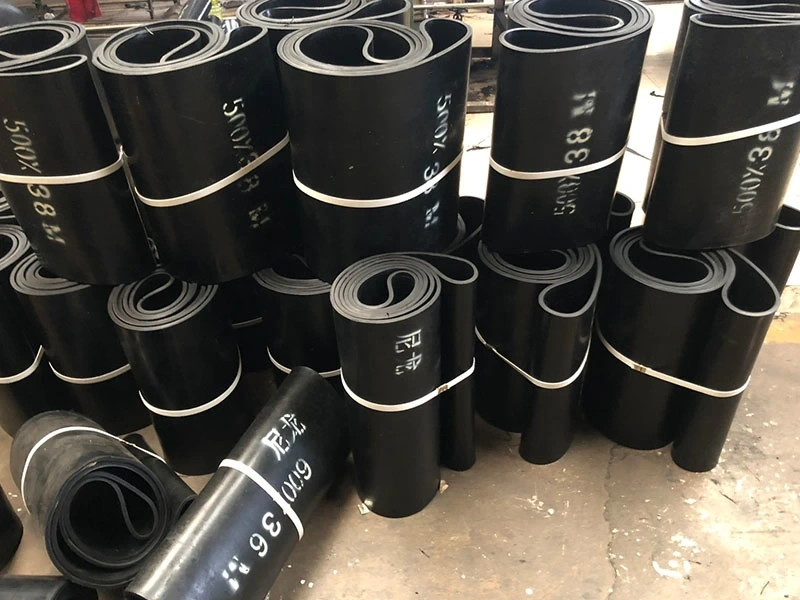
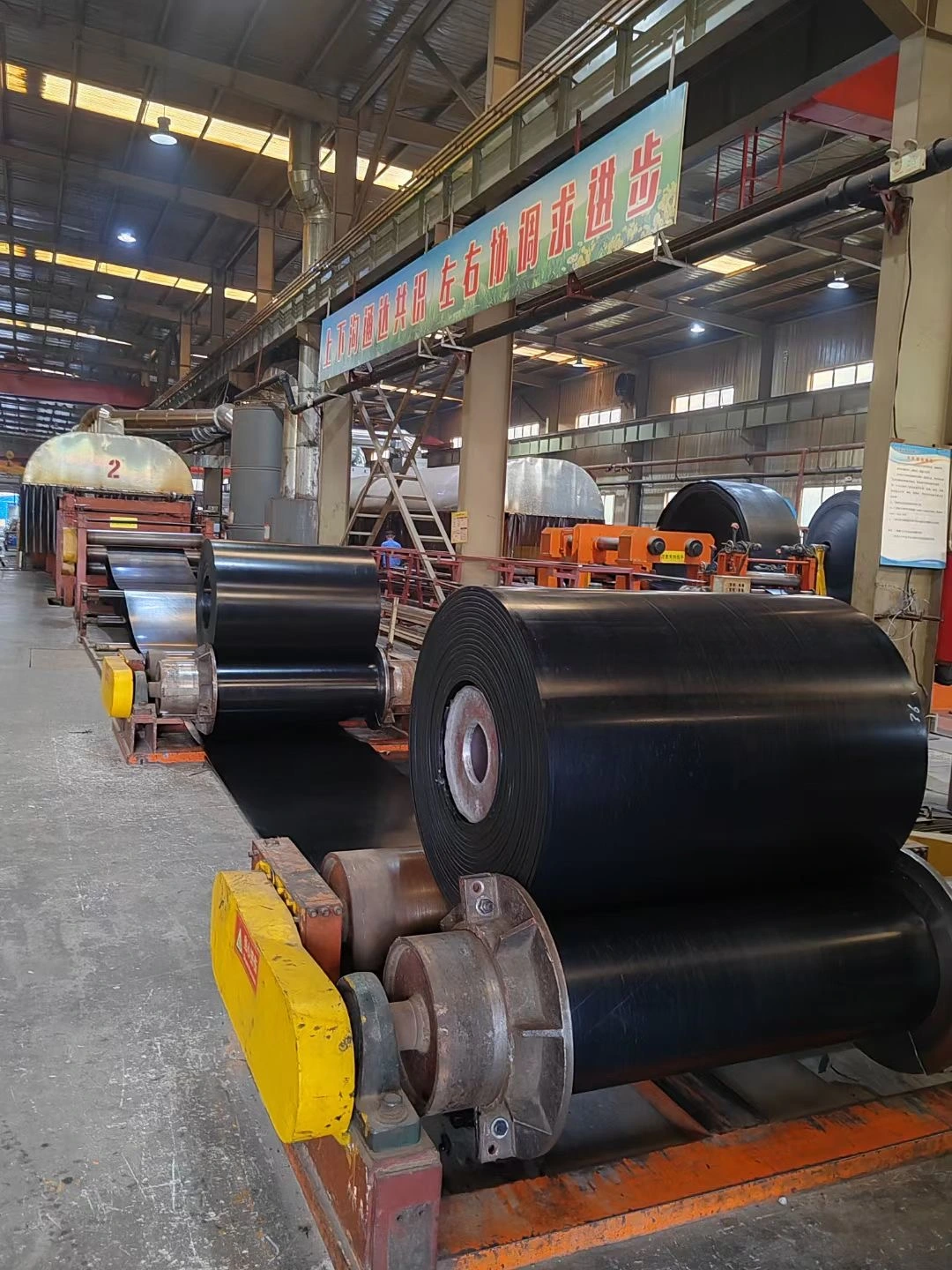
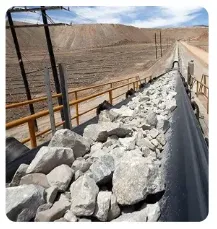
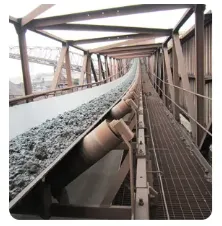
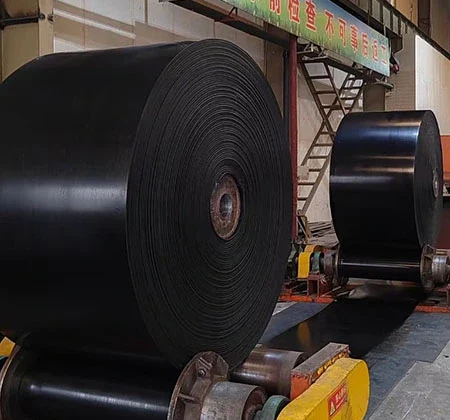
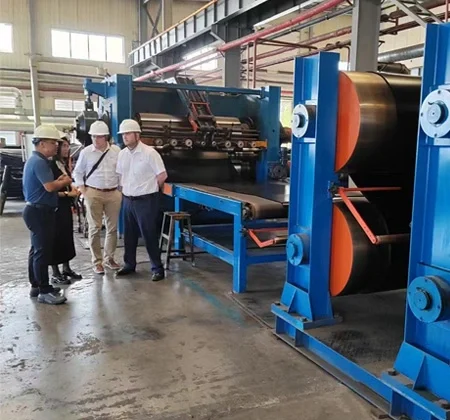
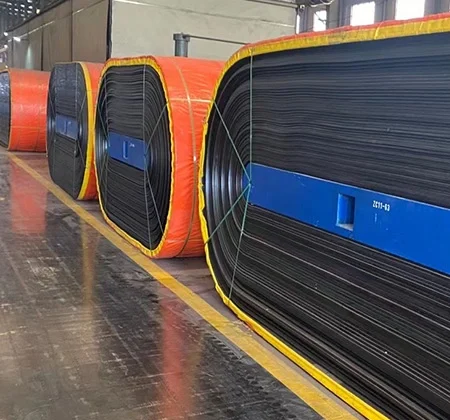
A continuous loop conveyor belt is a conveyor belt formed into a seamless loop during the manufacturing process. Its key feature is that the core has no joints, eliminating the reduced lifespan caused by early joint failure.
• Definition: A circular conveyor belt is a flat conveyor belt that is made into a circular shape after production through vulcanization joints or other methods. It can also be directly made into a seamless circular conveyor belt during the production process.
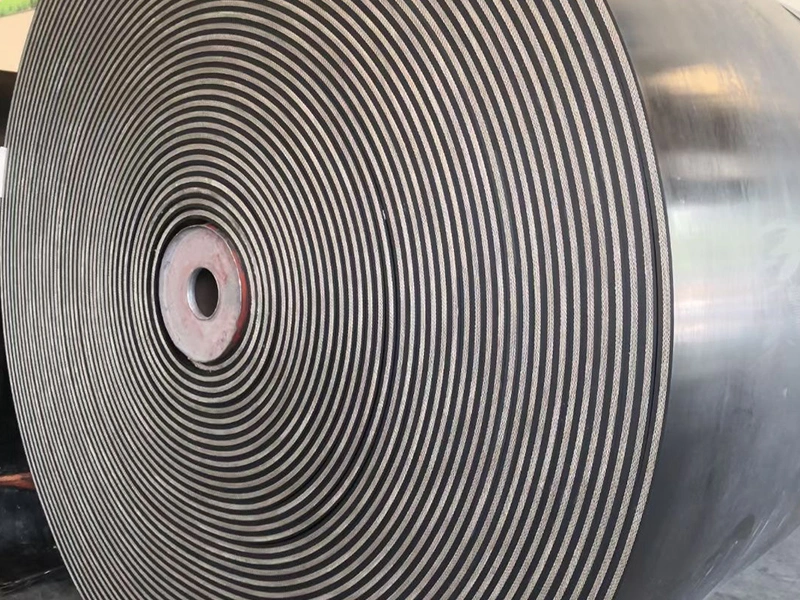
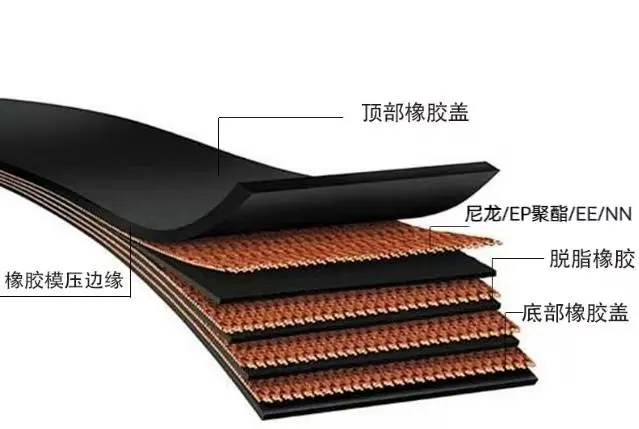
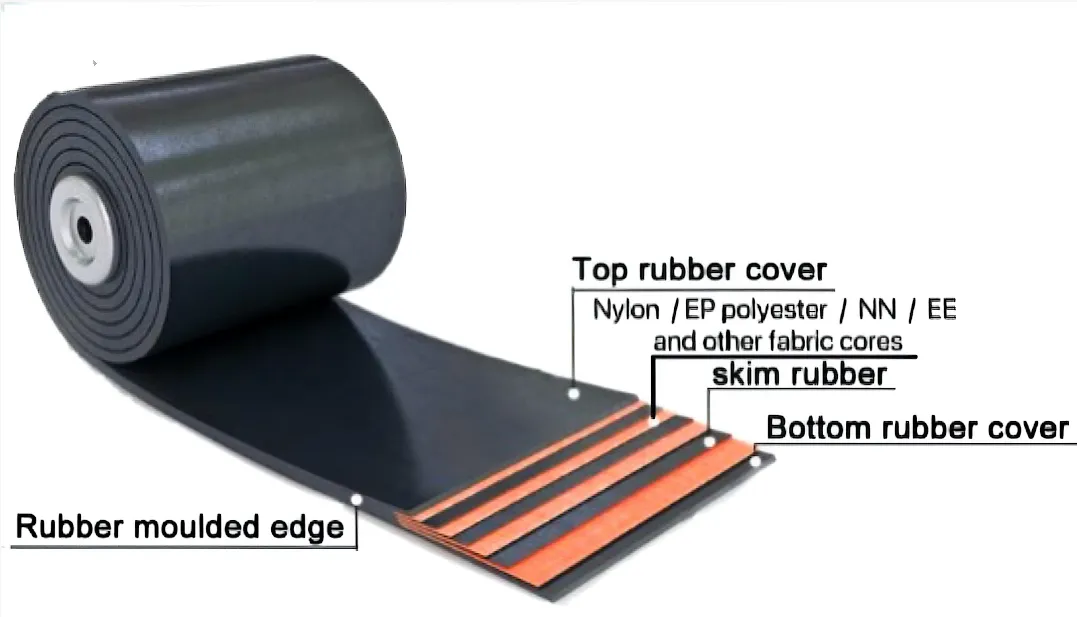
• Structure: The belt core is generally made of high-quality all-cotton, cotton-viscose blended canvas or nylon, EP polyester, NN, EE, etc. fabrics. The number of layers is usually 2-8 layers. It also includes top cover rubber and bottom cover rubber. Some special wear-resistant circular sidewall conveyor belts also have a transverse rigid layer.
• Stable operation: The belt core has no joints or the joint strength can reach 90% of the strength of the belt body, the surface has no obvious joint defects, the tension is uniform, the operation is stable, and the elongation at break is small.
• Strong conveying capacity: It can achieve large inclination angles, even 90° conveying, large conveying capacity, and can prevent material scattering. It can smoothly transition and change conveying between horizontal and inclined angles.
• Wide range of applications: According to customer needs, various types such as ordinary type, heat-resistant type (≤180℃), cold-resistant type (no lower than -40℃), acid and alkali-resistant type, high-temperature resistant type (no higher than 200℃), and sanitary type can be produced, suitable for different working environments.
• Strong customizability: According to different conveying needs, such as conveying distance, conveying capacity, material properties, etc., circular conveyor belts with different specifications and different performances can be customized to meet the requirements of various special working conditions.
Working Principle
The motor drives the drive roller through a reducer, and friction is generated between the roller and the conveyor belt, causing the circular conveyor belt to move continuously. The material is transported to the unloading point by friction with the conveyor belt.
Joint Methods
• Directly vulcanized into a circular belt: The conveyor belt is directly vulcanized into a circular shape during the production process, with good integrity and high joint strength.
• Leave raw ends during vulcanization: During use, the joint is vulcanized by heating and pressing according to requirements, which can flexibly adjust the joint position and time.
• On-site bonding with adhesive: The operation is relatively simple, but the requirements for adhesive performance are high.

• Industrial production: In mining, metallurgy, construction, and other industries, it is used to convey bulk materials such as ore, coal, and sand and gravel; in machinery manufacturing, automobile production, and other factories, it is used for assembly and handling of parts, which can realize automated production processes and improve production efficiency.
• Logistics transportation: In ports and docks, it is used for loading and unloading and transshipment of goods, such as transporting containers from cargo ships to dock yards; in warehouses and logistics centers, it is used for sorting and conveying goods, connecting different work areas, and realizing rapid flow of goods.
• Agricultural field: In grain processing plants, it is used for conveying and processing grains such as wheat and rice; in farms, it is used for conveying feed and manure.
• Commercial field: In the automatic shelf system of supermarkets and shopping malls, it is used for replenishment and display of goods; in the baggage handling system of airports, it is used for conveying and sorting baggage, ensuring that passenger baggage can accurately and quickly reach its destination.
• Food and pharmaceutical industry: In food production enterprises, it is used for packaging and conveying food such as candy and beverages; in pharmaceutical production enterprises, it is used for packaging and conveying medicines and handling raw materials. Sanitary circular conveyor belts can meet the strict requirements of the food and pharmaceutical industries for hygiene and safety.
Precautions for Use
Avoid covering the rollers with materials, prevent the conveyor belt from starting under load, correct deviations in time, repair local damage, and avoid the conveyor belt from being blocked.
| German Standard DIN-22102 | ||||||
| Grade | Tensile Strength ≥Ma | Elongation at Break ≥M% | Abrasion ≥mm 3 | Bond Strength between Layers (N/mm) | Bond Strength between Cover and Layer (/mm) | |
| Cover Thickness 0.8~1.5mm | Cover Thickness >1.5mm | |||||
| W | 18 | 400 | 90 | ≥5 | 3.5 | 4.5 |
| X | 25 | 450 | 120 | |||
| Y | 20 | 400 | 150 | |||
| Z | 15 | 350 | 250 | |||
| British Standard BS 490 | ||||||
| Grade | Tensile Strength ≥Ma | Elongation at Break ≥M% | Abrasion ≥mm 3 | Bond Strength between Layers (N/mm) | Bond Strength between Cover and Layer (/mm) | |
| Cover Thickness 0.8~1.5mm | Cover Thickness >1.5mm | |||||
| M | 24 | 450 | – | ≥5.25 | 3.15 | 4.5 |
| N | 17 | 400 | – | |||
| Australian Standard AS 1332-2000 | ||||||
| Grade | Tensile Strength ≥Ma | Elongation at Break ≥M% | Abrasion ≥mm 3 | Bond Strength between Layers (N/mm) | Bond Strength between Cover and Layer (/mm) | |
| Cover Thickness 0.8~1.5mm | Cover Thickness >1.5mm | |||||
| A | 17 | 400 | 70 | 6 | 4 | 4.8 |
| E | 14 | 300 | – | |||
| F | 14 | 300 | – | |||
| M | 24 | 450 | 125 | |||
| N | 17 | 400 | 200 | |||
| S | 14 | 300 | 250 | |||
| S* | 12 | 300 | 250 | |||
| South African SANS 1173:2005 | ||||||
| Grade | Tensile Strength ≥Ma | Elongation at Break ≥M% | Abrasion ≥mm 3 | Bond Strength between Layers (N/mm) | ||
| Bond Strength between Cover and Layer (N/mm) | ||||||
| A | 18 | 400 | 90 | ≥7 | ≥5 | |
| X | 25 | 450 | 120 | |||
| M | 24 | 450 | 150 | |||
| N | 20 | 400 | 250 | |||
| Fabric Type | Fabric Structure | Fabric Model | Rubber Belt Thickness (mm/p) | Strength Series (N/mm) | Cover Rubber Thickness | Width Range (mm) | ||||||
| Warp | Weft | 2 layers | 3 layers | 4 layers | 5 layers | 6 layers | Upper cover layer | Lower cover layer | ||||
Nylon EP Polyester NN EE | Nylon | Nylon | Nylon, EP Polyester, NN, EE-100 | 1.00 | 200 | 300 | 400 | 500 | 600 | 0-12 | 0-10 | 300-2500 |
| Nylon, EP Polyester, NN, EE-125 | 1.05 | 250 | 375 | 500 | 625 | 750 | ||||||
| Nylon, EP Polyester, NN, EE-150 | 1.10 | 300 | 450 | 600 | 750 | 900 | ||||||
| Nylon, EP Polyester, NN, EE-200 | 1.20 | 400 | 600 | 800 | 1000 | 1200 | ||||||
| Nylon, EP Polyester, NN, EE-250 | 1.40 | 500 | 750 | 1000 | 1250 | 1500 | ||||||
| Nylon, EP Polyester, NN, EE-300 | 1.60 | 600 | 900 | 1200 | 1500 | 1800 | ||||||
| Bond strength, elongation performance | |||||
| Belt core material | Bond strength | Elongation performance | |||
| Between layers N/mm | Between cover and layer N/mm | Full thickness longitudinal breaking elongation | Full thickness longitudinal reference force elongation | ||
| Cover layer thickness ≤1.5mm | Cover layer thickness ≥1.5mm | ||||
| Polyester canvas | ≥5 | ≥4.5 | ≥5 | ≥10% | ≤4%6 |
| China GB/T7984-2013 GB/T 32457-2015 Tape cover layer performance | |||||
| Cover layer level | Tensile strength | Elongation at break | Abrasion loss | Change rate of tensile strength and elongation at break after aging | |
| Mpa | Kgf/cm2 | % | mm 3 | % | |
| H | ≥24 | ≥240 | ≥450 | ≤120 | -25~ +25 |
| D | ≥18 | 180 | ≥400 | ≤100 | -25~ +25 |
| L | ≥15 | 150 | ≥350 | ≤200 | -25~ +25 |


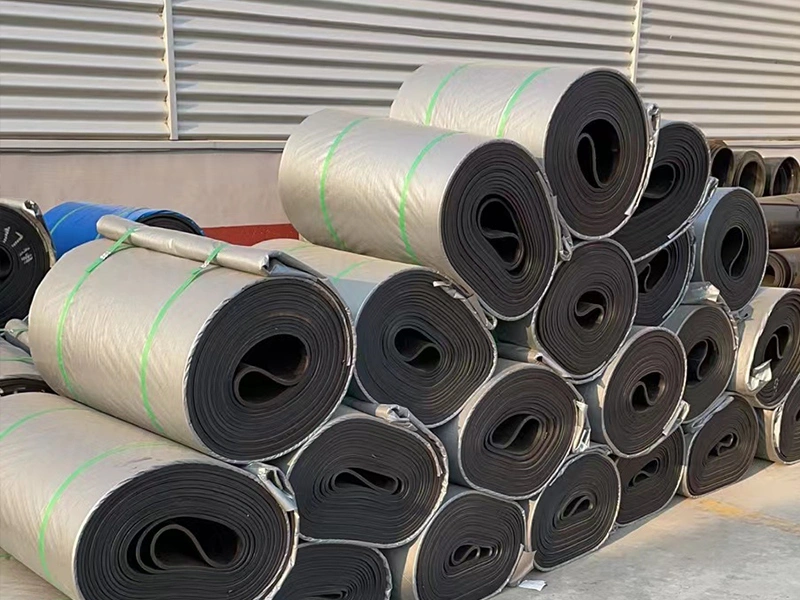
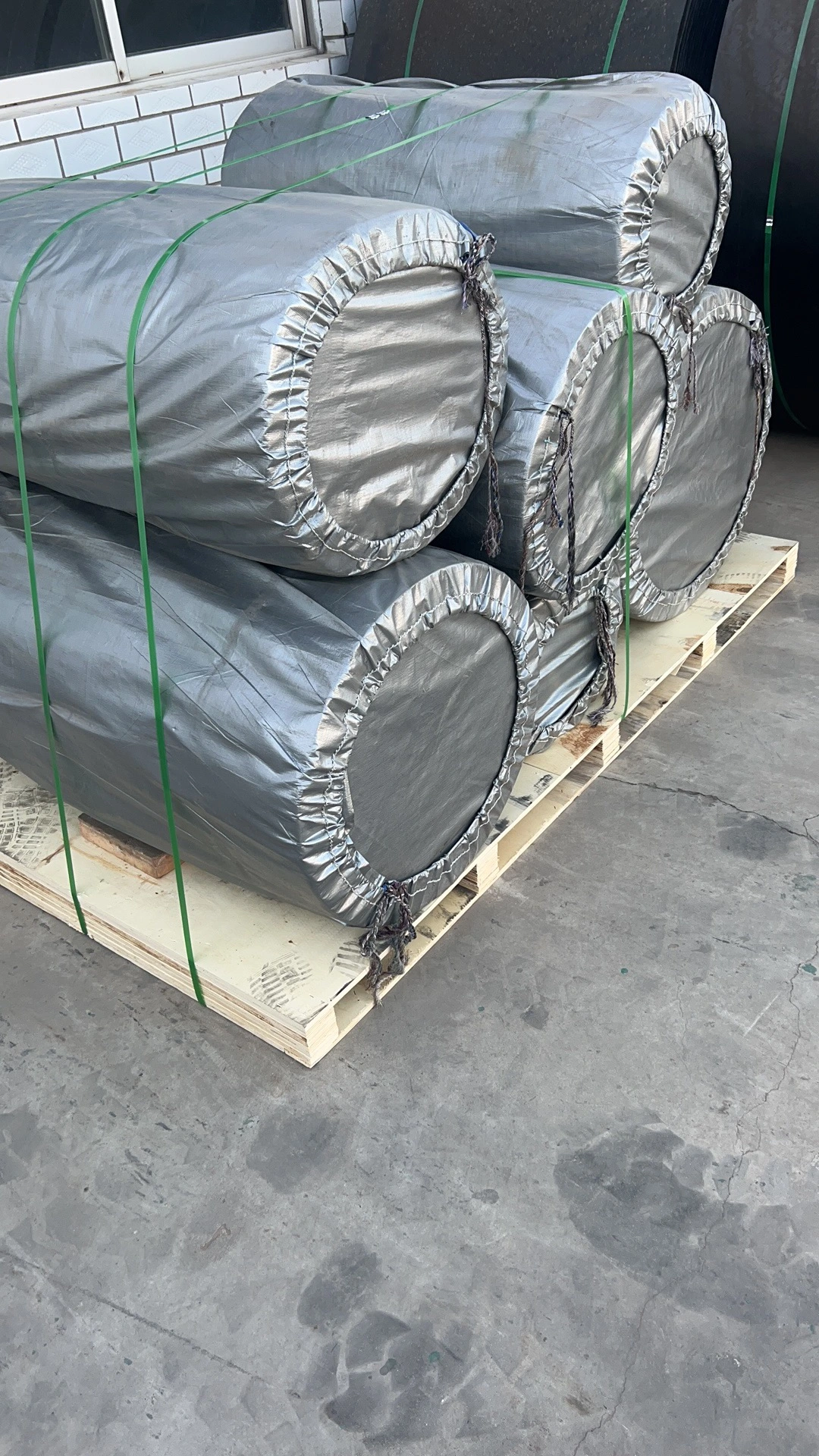
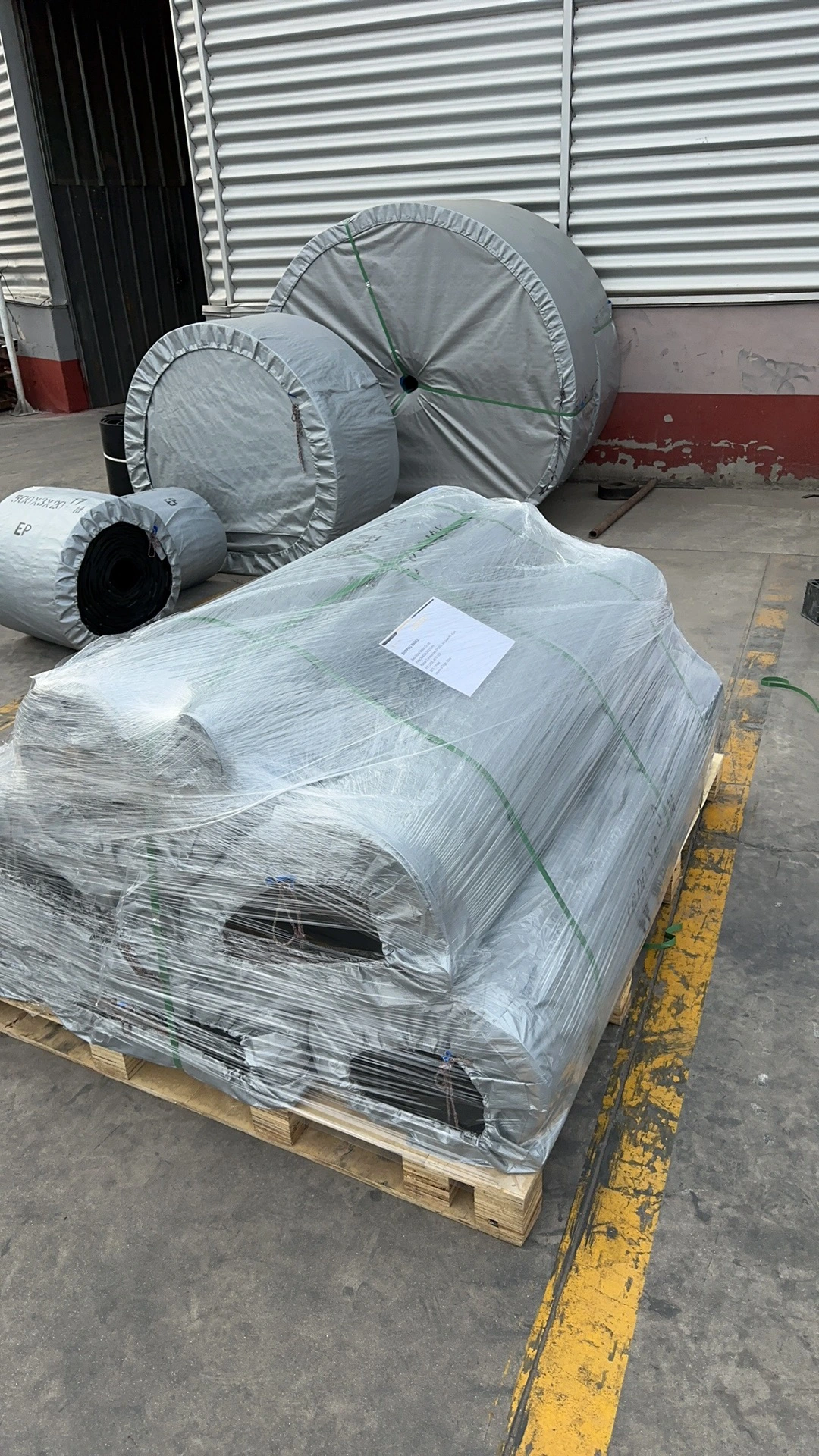
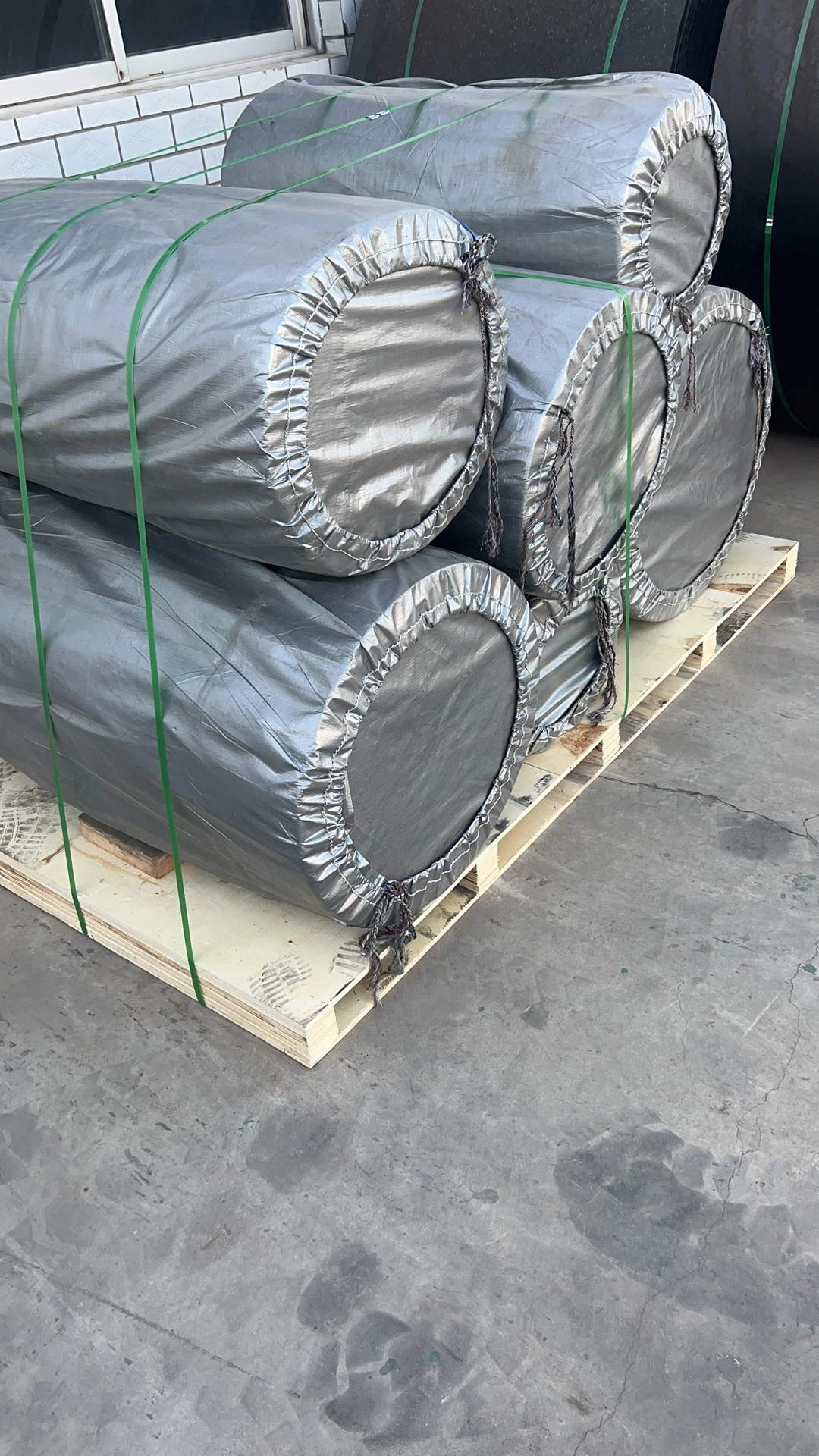
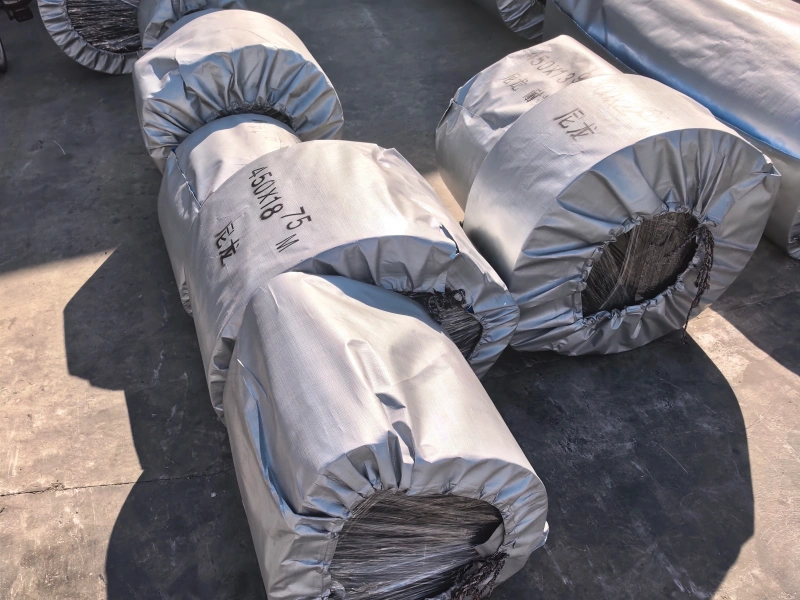
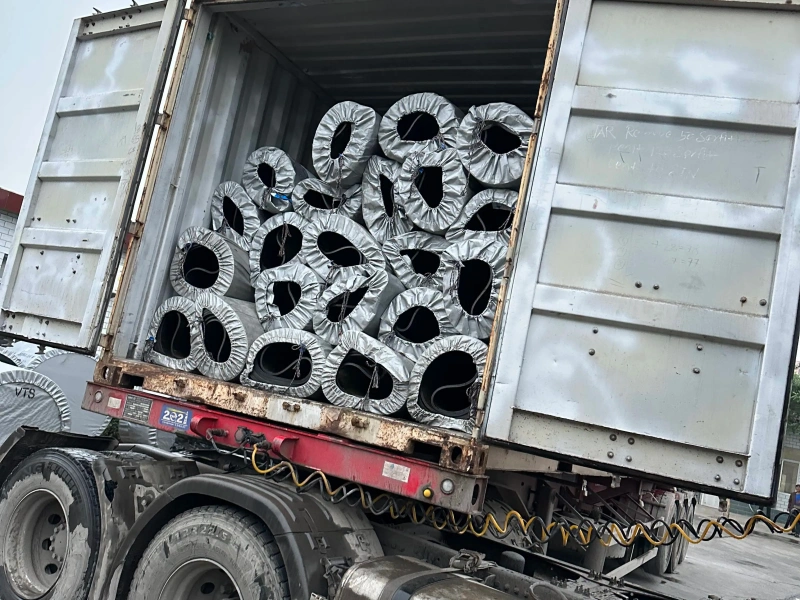
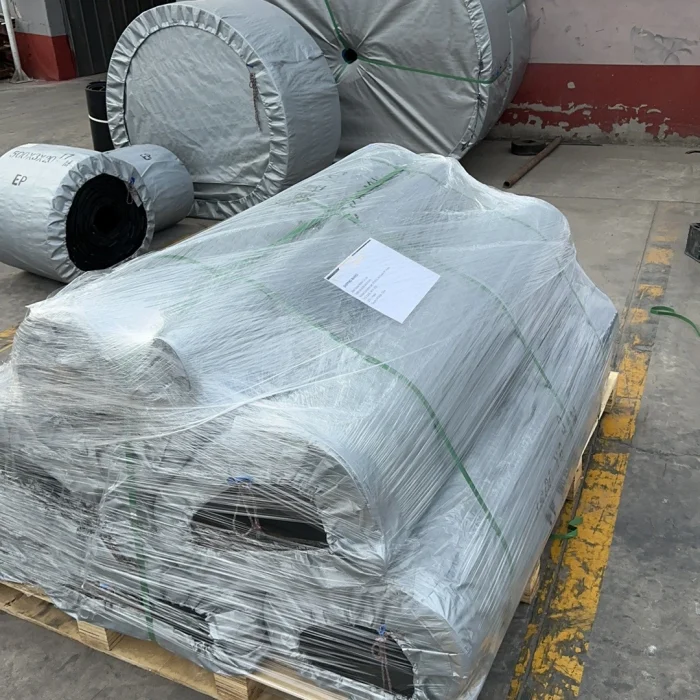
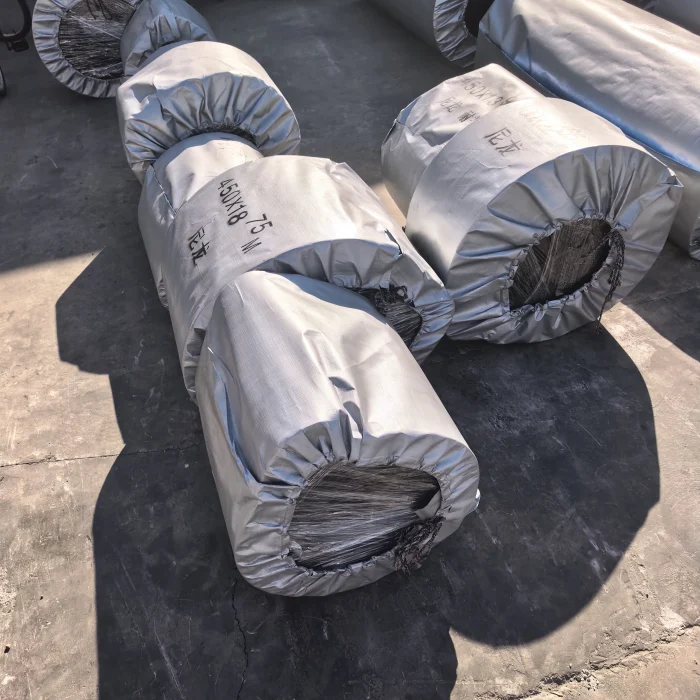
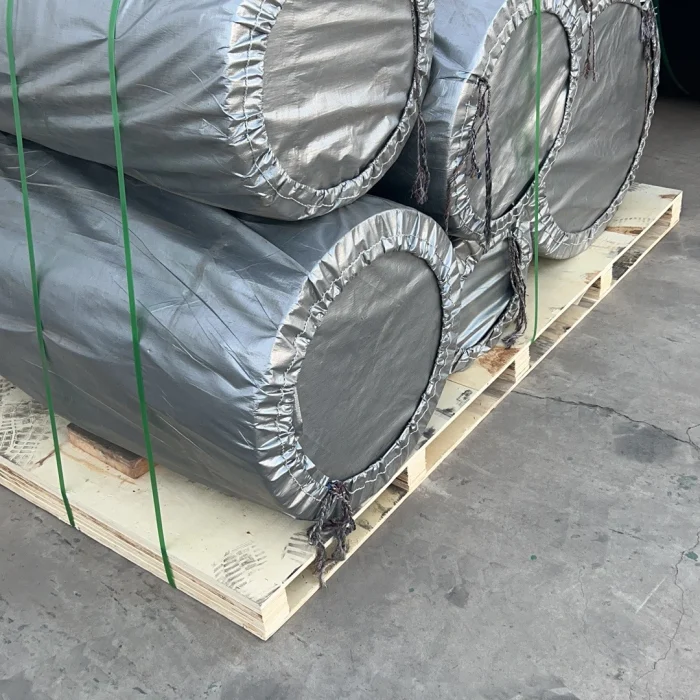
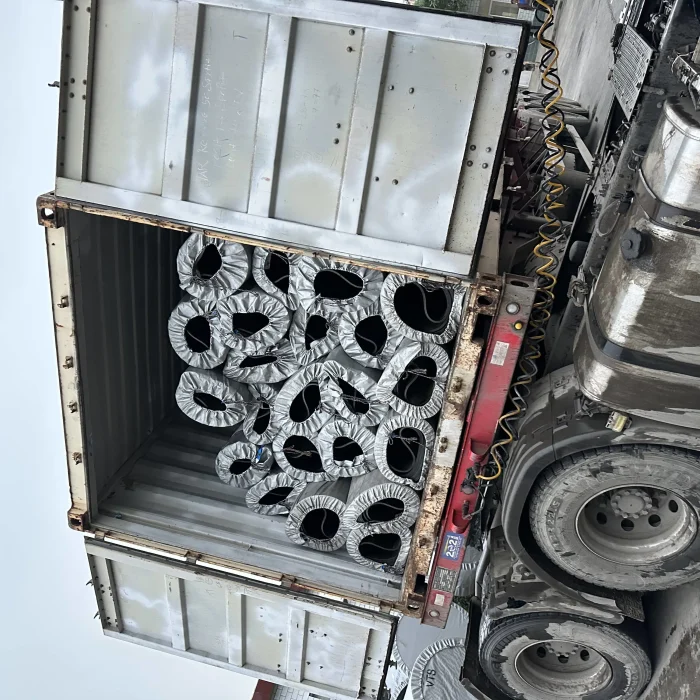
1. Waterproof nylon packaging, with bottom steel pallet or wooden pallet.
2. Standard and appropriate export packaging.
3. Customized packaging is available according to customer requirements.
1. Engineering design and consulting
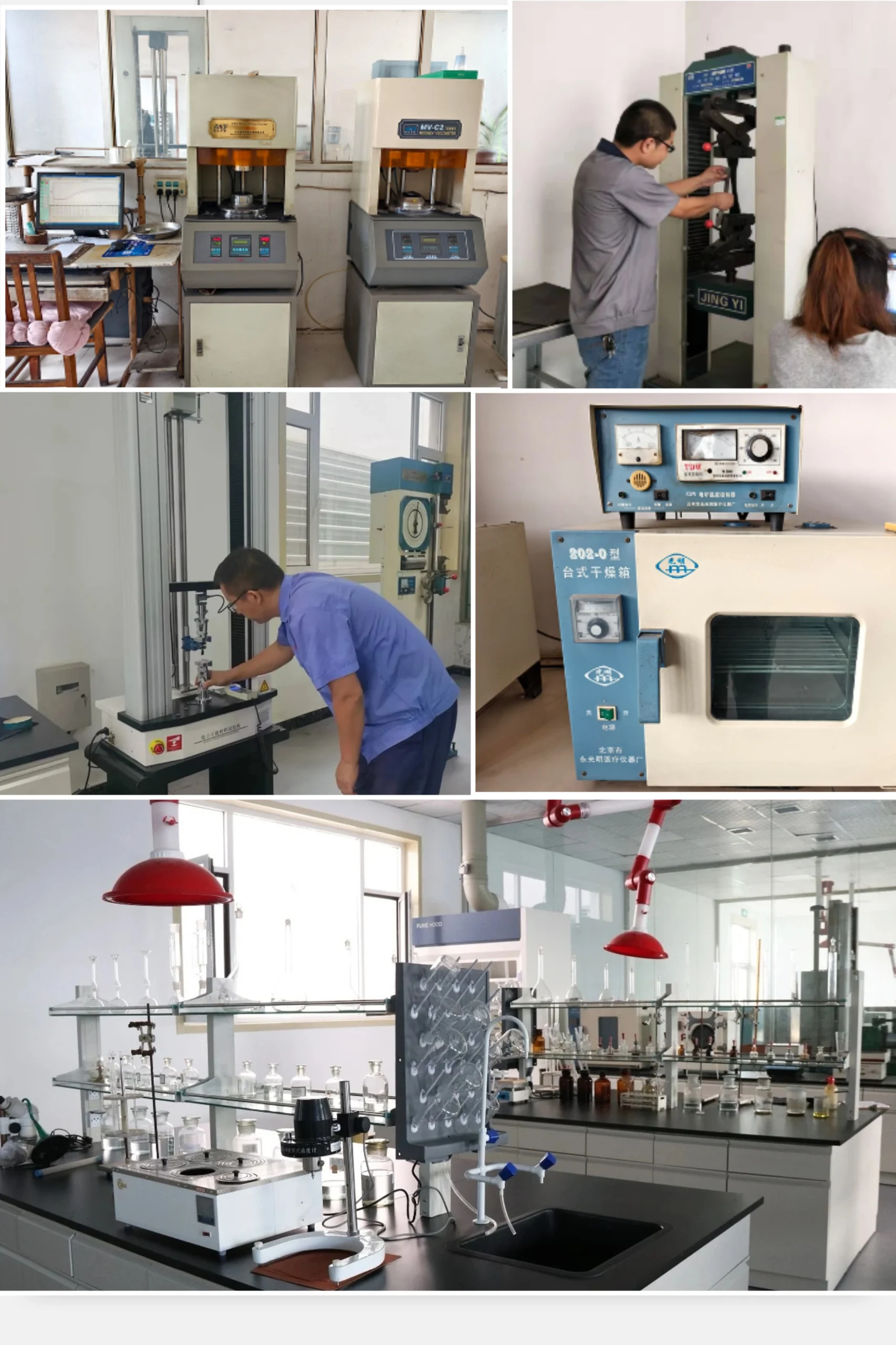
FANGNUO Rubber Conveyor Belt is one of the best custom belt manufacturers in China. Our conveyor belts are ideal for handling various heavy-duty and abrasive materials for bulk material handling, successfully meeting the needs of various industries, including stone crushing and screening, sand washing, fertilizer, grain conveying, steel plants, power plants, cement plants, metallurgy, coal, ports and docks, construction, and more. As a one-stop conveyor engineering manufacturer, we also provide excellent solutions for conveying material problems and after-sales service for various applications.
2. Excellent customer service
We specialize in producing heavy-duty (nylon, EP polyester, EE, NN) multi-ply fabric core rubber conveyor belts, steel cord conveyor belts, corrugated edge conveyor belts, bucket elevator conveyor belts, herringbone conveyor belts, and circular conveyor belts. As a high-quality conveyor belt manufacturer, supplier, and exporter in China, we focus on providing customers with high-quality conveyor belts and professional services. FANGNUO has grown rapidly through innovation and professional service, and we are eager to expand our domestic and international markets!
3. Customization
OEM supported, meeting all your needs, regardless of size, even if you only have an idea, we will help you realize it.
We have a strong R&D team that can develop and produce products based on customer-provided drawings or samples.
4. Cost-effectiveness
Same quality, lower price; same price, better quality; fast production cycle; short time; efficient and durable; reliable quality. We are based in the mid-to-high-end market, and our products meet international standards.


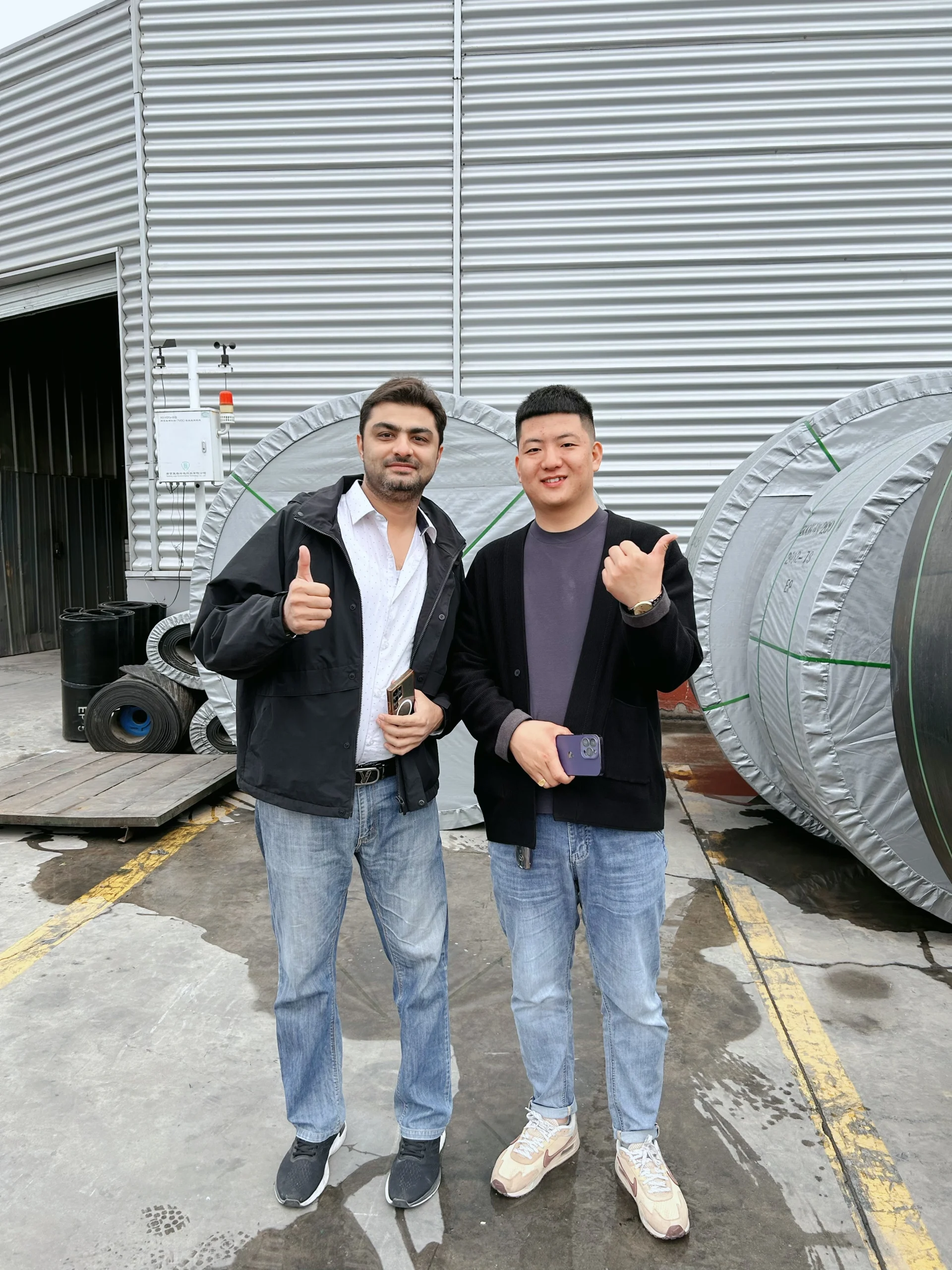
If you have any questions, please do not hesitate to ask us. Please also call us or email us before visiting to make sure that you will be served with our best services.
+86 18395653111
colin@bestbelting.com